Out-of-Home Advertising in Germany: A Market Overview
Germany’s out-of-home (OOH) advertising market is one of the most mature and structured in Europe. With strong advertiser demand, a highly regulated public-space environment, and a steadily expanding digital infrastructure, the sector combines stability with gradual technological transformation.
OOH has become an increasingly important part of the country’s media mix. According to industry data, the medium now accounts for around 10% of total advertising spend in Germany, highlighting continued advertiser confidence in its ability to deliver reach and visibility at scale.
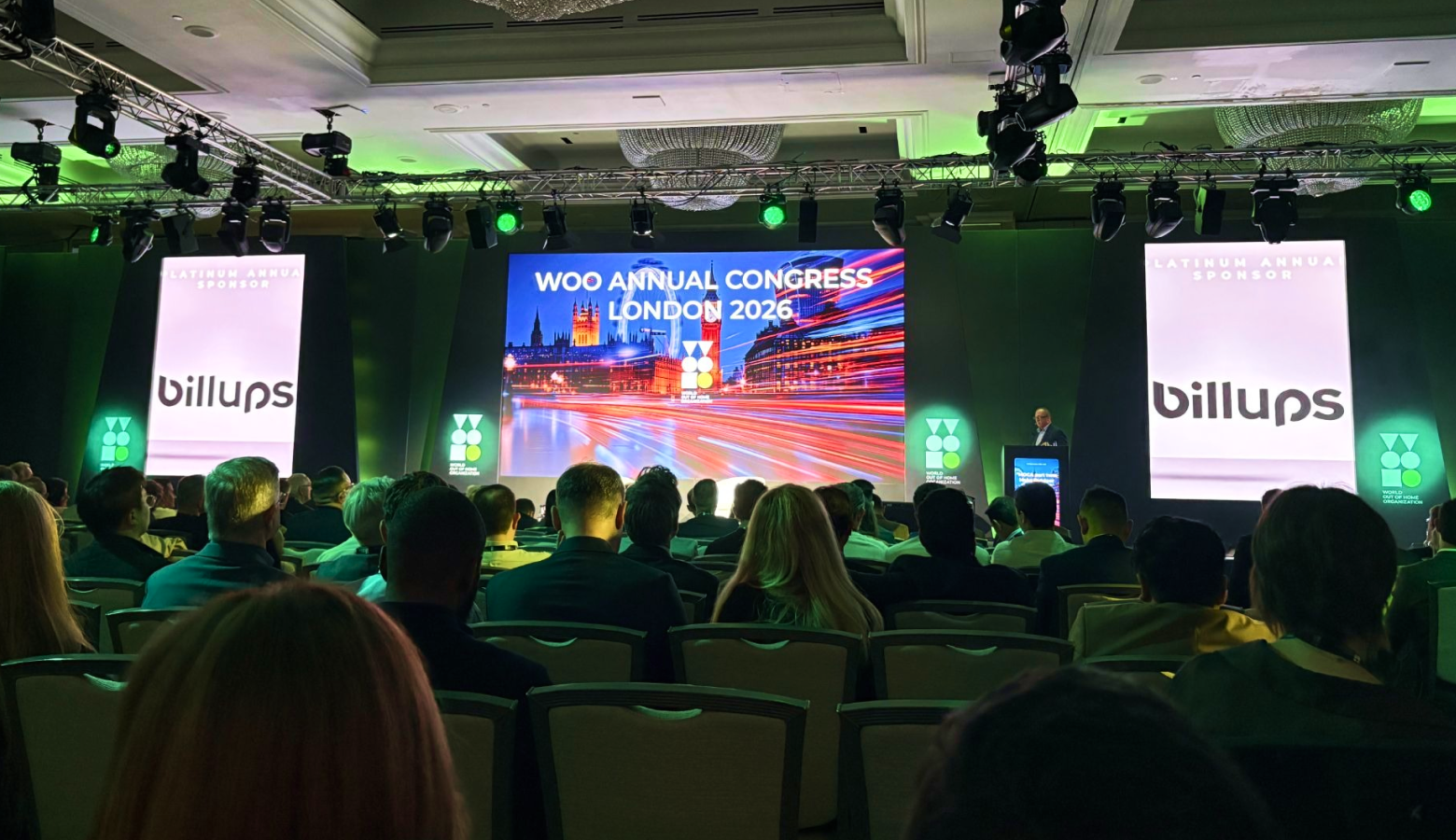
As Marc Marienfeld, Managing Director - Germany at billups explains, Germany’s OOH ecosystem is defined by its stability and long-term advertiser commitment. “Germany has a very established out-of-home market” he says. “Advertisers across many industries continue to rely on the medium as a core part of their media mix.”
Key Points
- OOH revenue: approximately €3.5B in 2025
- Media share: more than 10% of total advertising investment
- Format split: roughly 50% static / 50% digital revenue
- Programmatic adoption: around 30% of digital OOH campaigns
- Market structure: inventory concentrated among Ströer, AWK Außenwerbung, and WallDecaux
Market Size and Growth
Germany is the largest economy in Europe, with a population of more than 83 million people and one of the continent’s most developed advertising markets.
Within this environment, OOH has demonstrated steady growth. Industry figures indicate that gross OOH advertising revenue reached approximately €3.56 billion in 2025, continuing an upward trajectory driven by both domestic and international advertisers. (Source: Nielsen / Invidis)
While growth has been gradual rather than dramatic, the German market benefits from a diverse advertiser base. As Marienfeld notes, “Unlike some markets where spending is driven by just one or two sectors, Germany’s OOH investment comes from a wide mix of industries.” This diversity, he explains, helps maintain stability even during periods of broader economic uncertainty.

Audience and Cultural Landscape
Germany’s OOH audience is shaped by dense urban mobility and one of Europe’s most extensive public transport systems. Millions of people move through rail stations, metro networks, pedestrian zones, and city centres each day, creating continuous exposure opportunities for advertisers.
Major transport hubs such as Frankfurt Airport, Berlin Hauptbahnhof, and Munich’s central rail stations represent some of the country’s most valuable advertising environments.
Urbanization also plays an important role. Around 77% of Germany’s population lives in urban areas, making city centres and transport corridors key environments for OOH planning. (Source: World Bank / industry estimates)
From a campaign perspective, Marienfeld highlights how this mobility shapes media effectiveness. “Germany’s transport infrastructure creates natural audience flow,” he explains. “People move through cities using trains, metros, and pedestrian corridors, which means OOH delivers consistent visibility throughout the day.”
Market Structure and Media Ownership
The German OOH market is notable for its high concentration of inventory ownership, with the majority of advertising infrastructure controlled by a small number of operators.
The leading companies include:
- Ströer, the country’s largest OOH operator
- AWK Außenwerbung, a traditional German outdoor media company
- WallDecaux, the German arm of JCDecaux
This structure is largely shaped by municipal concession contracts, where operators provide street furniture and urban infrastructure, such as bus shelters and information panels, in exchange for advertising rights.
According to Marienfeld, these contracts significantly influence the competitive landscape. “City contracts are a defining feature of the German market,” he says. “When a company wins one, it typically operates that environment for ten to fifteen years.”
(Source: FAW – Bundesverband Außenwerbung)
Digital Transformation and Regulation
Germany has reached an important milestone in its digital transition: OOH revenues are now roughly evenly split between static and digital formats.
Although static billboards still outnumber digital installations, operators continue to convert traditional poster networks into digital screens. Industry research estimates that digital out-of-home revenues exceeded $900 million in 2024 and are expected to grow significantly by the end of the decade.
However, the pace of digital expansion is shaped by Germany’s regulatory environment.
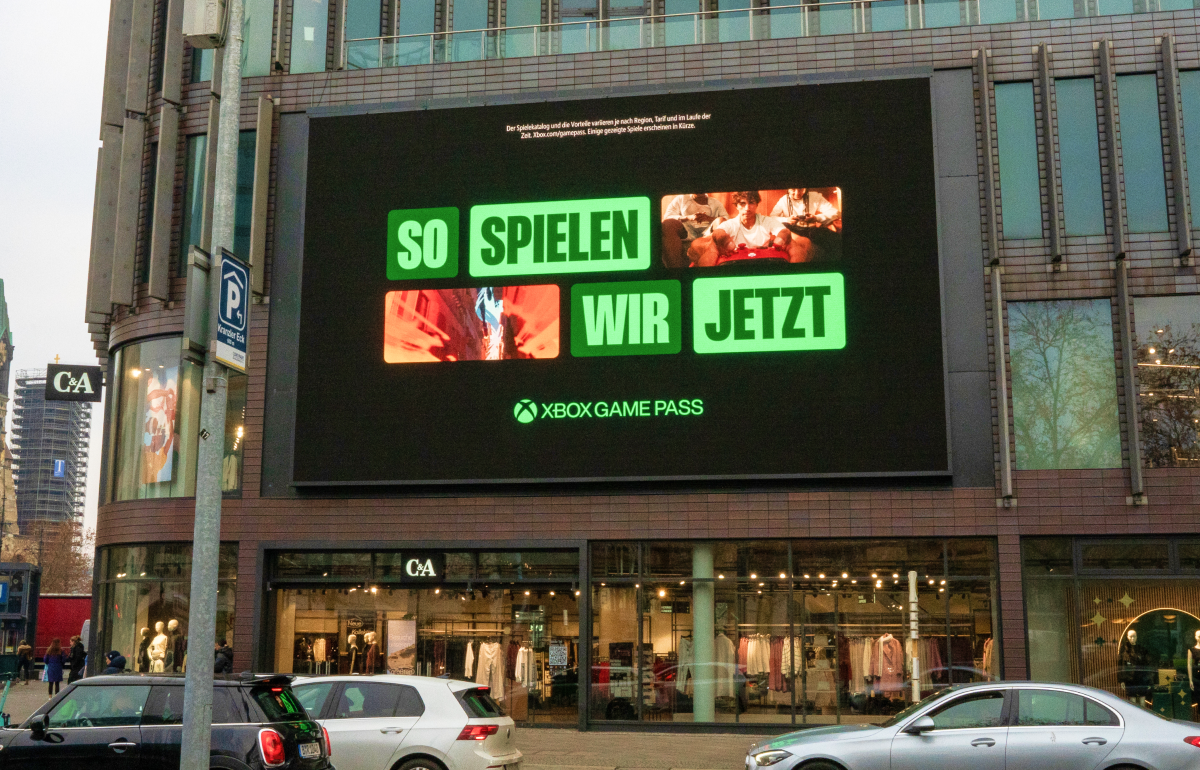
Many municipalities impose restrictions on moving or animated images near road traffic, which limits the development of large landmark digital screens similar to those seen in cities such as London or New York.
As Marienfeld explains, “In several German cities, moving images are not allowed in areas with heavy traffic. That’s one reason why Germany doesn’t have the same kind of large digital landmark screens you see in some other global markets.”
As a result, many of the country’s digital installations are concentrated in pedestrian zones, shopping areas, and transit environments, where regulations are less restrictive.
Key Advertising Sectors
Germany’s OOH advertiser base is broad and diverse, reflecting the scale of the country’s consumer economy.
Consumer Goods and Retail
Retail and FMCG brands remain among the most consistent investors in OOH, using nationwide poster networks and urban displays to maintain brand visibility.
Beauty and Fashion
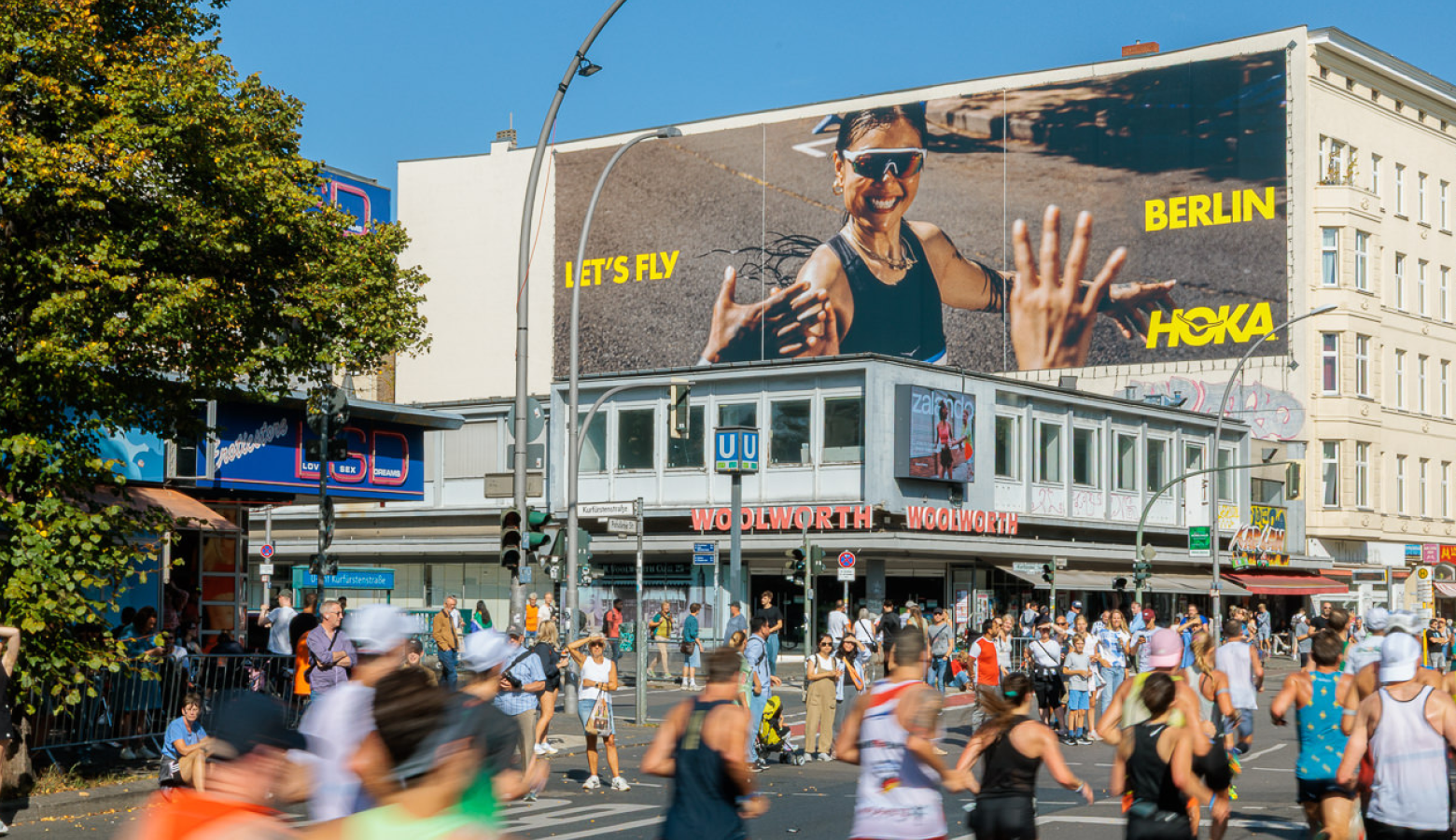
Major shopping districts in cities such as Berlin, Munich, and Hamburg serve as key environments for fashion and cosmetics campaigns.
Streaming and Entertainment
Streaming platforms have become increasingly active in the OOH space. Companies such as Netflix, Amazon Prime Video, and Paramount+ frequently use outdoor campaigns to promote major releases.
Marienfeld notes that this trend reflects broader shifts in media consumption. “Streaming platforms have increased their OOH investment significantly over the past few years,” he says. “As audiences move away from linear television, outdoor advertising helps maintain large-scale visibility.”
Consumer Electronics
Technology companies also remain strong users of the medium, particularly during product launches and seasonal retail periods.
Programmatic and Measurement
Germany is considered one of Europe’s more advanced markets for programmatic OOH buying, although adoption remains relatively measured.
Industry estimates suggest that around 30% of digital OOH campaigns involve programmatic transactions, with the majority taking place through programmatic guaranteed deals.
From Marienfeld’s perspective, this reflects the operational realities of OOH planning. “Programmatic guaranteed will likely remain the dominant model for the next few years,” he explains. “Many advertisers require specific locations or dayparts, which makes guaranteed transactions the most practical option.”
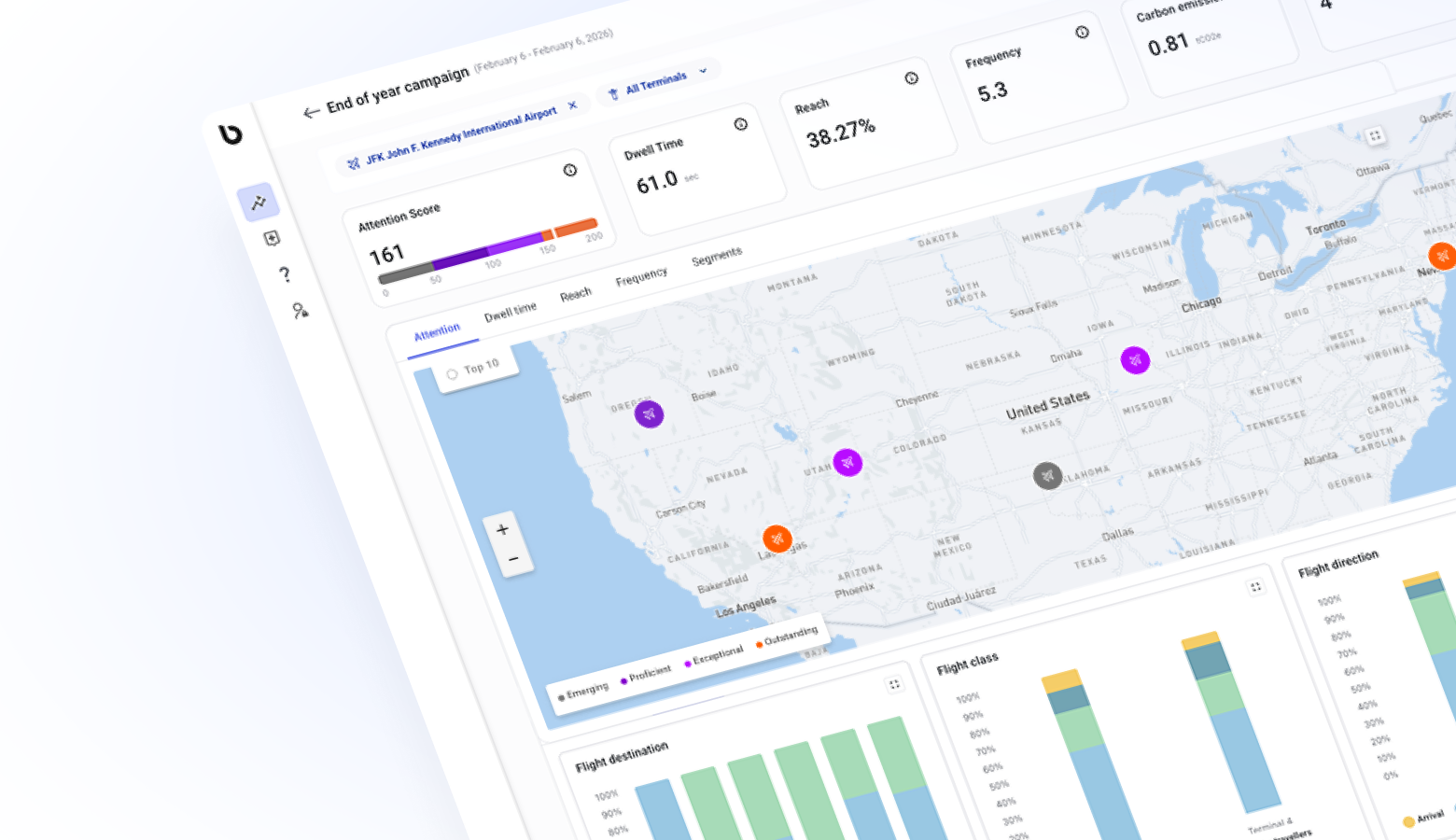
Measurement is another area where the industry continues to evolve. Advertisers frequently rely on brand uplift studies, mobility data, and footfall analytics to evaluate campaign performance.
Planning Considerations for International Brands
For international advertisers entering Germany, geographic planning is essential.
While Berlin is often the most visually recognizable media environment, focusing solely on the capital rarely delivers sufficient national reach.
Instead, campaigns typically include Germany’s largest metropolitan markets:
- Berlin
- Hamburg
- Munich
- Cologne
- Frankfurt
Marienfeld advises brands to approach the market with a national perspective. “Berlin is attractive visually, but it doesn’t represent Germany as a whole,” he says. “To achieve meaningful coverage, campaigns should include at least the top three to five cities.”
Another important factor is regulation. Constructing new billboards, particularly digital screens, can involve complex approval processes, especially when installations are located on public land.

Outlook
Germany’s OOH sector continues to evolve through steady digitalization, expanding data capabilities, and emerging opportunities in retail media networks and place-based digital environments.
Operators are gradually converting static inventory into digital formats while investing in larger screens and improved campaign flexibility.
Marienfeld believes this transformation will continue in the years ahead. “The industry is steadily converting static inventory into digital screens,” he says. “Digital share is still slightly behind some other markets, which means there is clear room for further growth.”
Final Word
Germany’s out-of-home market reflects the broader character of the country itself: structured, technologically advancing, and built on strong institutional foundations.
For advertisers, success lies in understanding this balance; leveraging the reach of traditional poster networks while integrating the growing capabilities of digital and programmatic formats.
If you’re planning to launch or expand campaigns in Germany, the team at billups provides on-the-ground expertise across strategy, planning, and execution to help brands navigate the country’s regulatory landscape, media ownership structure, and evolving digital ecosystem. Get in touch to learn more.