Out-of-Home Advertising in Mexico: A Market Overview
Introduction
Date
Author
billups
Type
Articles
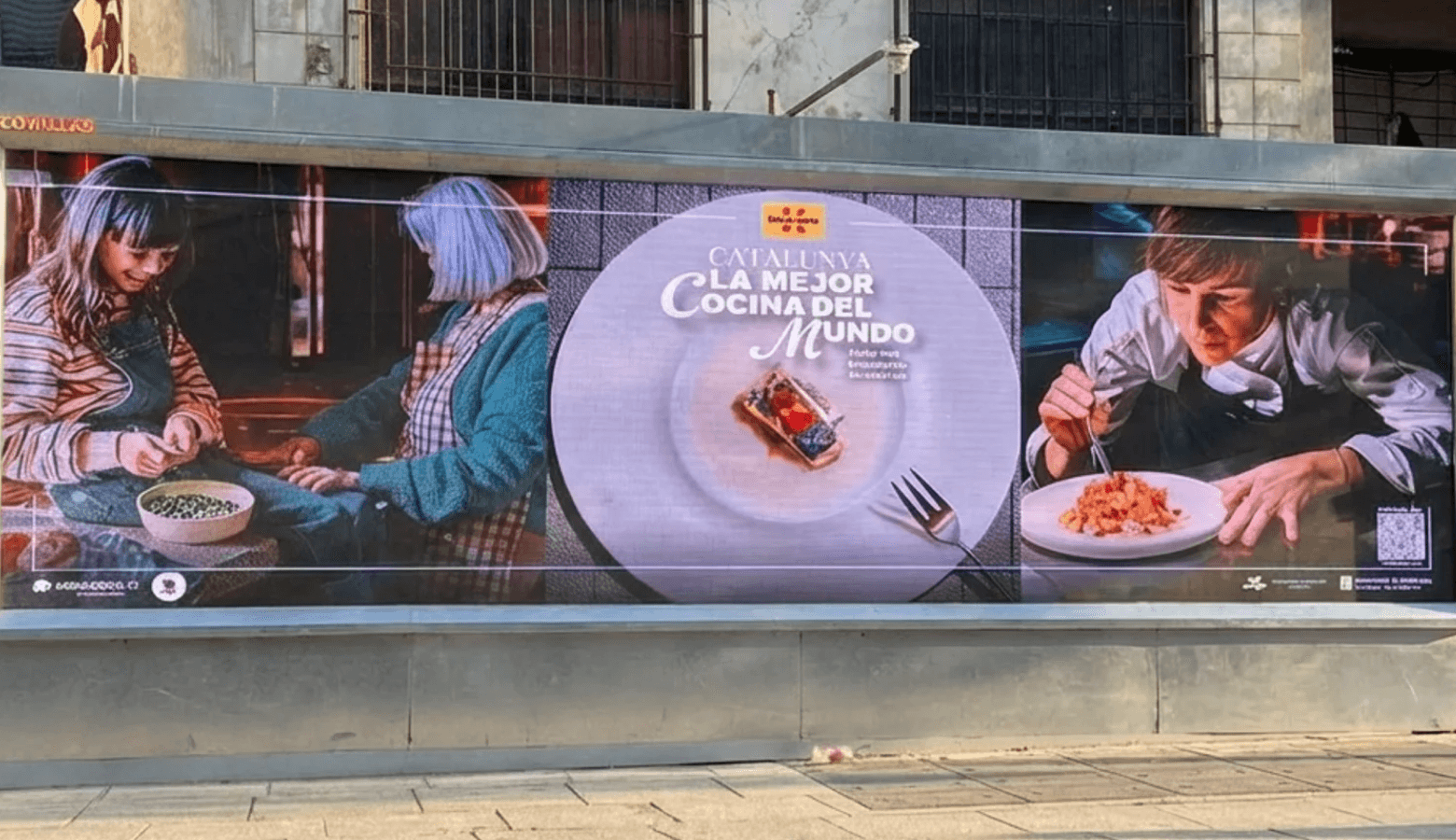
Mexico’s out-of-home (OOH) advertising sector is entering a defining period of transformation—one driven by rapid digitization, large-scale infrastructure investment, and the country’s growing role as a strategic launch market for regional and global advertisers. According to Salvador Garcia, the market is experiencing “strong growth and rapid static-to-digital transformation,” particularly across the country’s largest metropolitan areas, where advertisers are shifting toward premium digital environments and more data-enabled planning strategies.
Key Points
OOH market size: ~USD 349.9M (2024), projected to reach USD 487M by 2030 (≈5.6–5.7% CAGR)
OOH share of total ad spend: ~3.4%, with gradual increases expected as DOOH expands
Tourism impact: ~42M international visitors annually, supporting strong airport, transit, and destination-media demand
Primary growth drivers: infrastructure investment, FIFA World Cup 2026, tourism corridors, and rapid digitization of inventory
Planning reality: municipal regulations vary significantly, requiring city-by-city execution strategies
Market Size and Growth
Mexico is the second-largest economy in Latin America, with a GDP of roughly USD 1.6 trillion and a population approaching 129 million, providing significant scale for advertisers seeking national reach. While topline OOH growth remains steady, the deeper story is structural modernization: the conversion of inventory from static formats to digital displays is reshaping how campaigns are planned, bought, and optimized.
Garcia notes that “the transformation toward digital formats is happening quickly, especially in the main cities,” signaling a shift from traditional reach-based planning toward audience- and environment-led strategies that increasingly incorporate programmatic DOOH capabilities.

Audience and Cultural Landscape
OOH continues to play an outsized role in Mexico’s media ecosystem due to dense urban mobility patterns, vibrant street-level commerce, and the centrality of public space in everyday life. High commuter volumes, major retail corridors, and mixed-use districts create sustained audience exposure that supports both brand-building and performance-driven campaigns.
Garcia emphasizes that “urban density and economic expansion continue to make OOH a highly relevant channel,” particularly for sectors such as consumer packaged goods, telecommunications, fintech, and e-commerce, where sustained visibility across multiple touchpoints remains essential.
Tourism further amplifies the opportunity. With more than 40 million international visitors annually, airports, hospitality districts, and major tourism corridors have become some of the most valuable OOH environments in the country, especially as premium digital inventory continues to expand across these locations.
Digital Transformation: From Static Inventory to DOOH Ecosystems
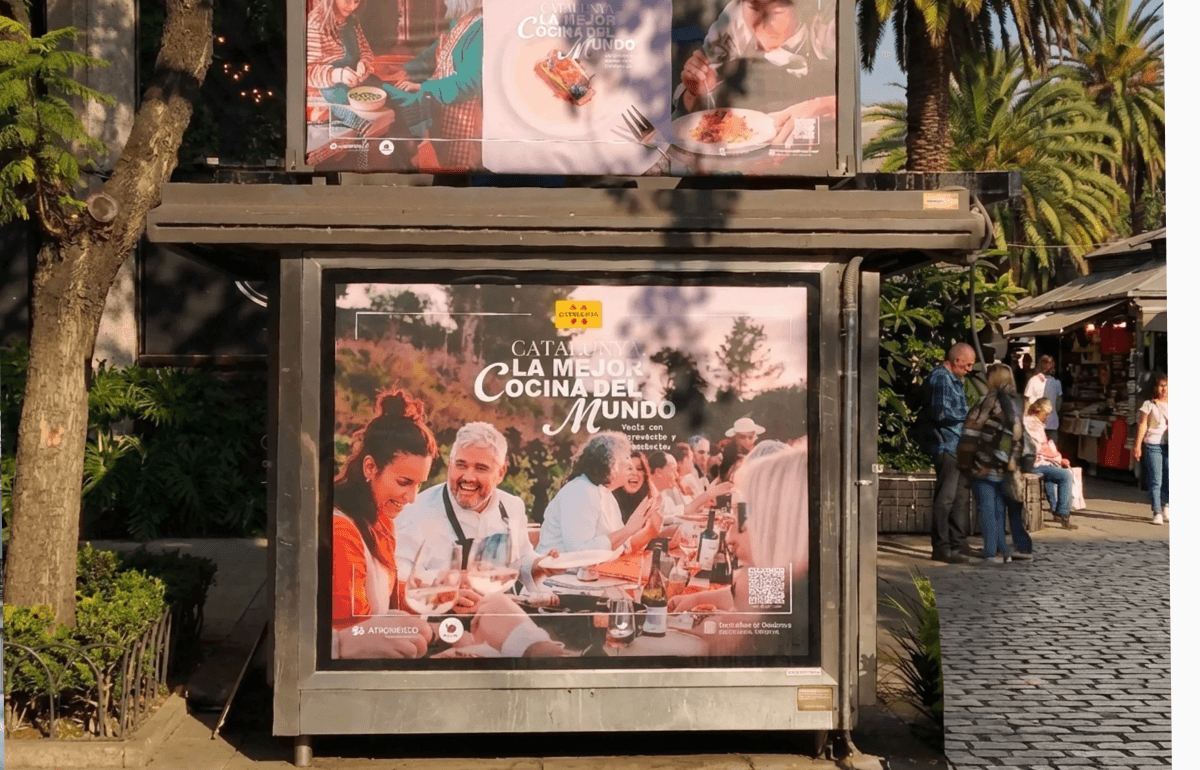
Across Mexico City, Monterrey, Guadalajara, and key tourism markets such as Cancún and Los Cabos, OOH inventory is rapidly transitioning toward LED and digital formats. Airports, large-format roadside screens, and retail environments are currently among the fastest-digitizing segments, enabling greater flexibility in creative rotation, dynamic messaging, and programmatic buying.
Garcia highlights the pace of this shift, noting that “the transition to digital will accelerate over the next three to five years,” with airports, shopping centers, and premium roadside locations leading the next phase of expansion. At the same time, the regulatory environment varies by municipality; Mexico City, in particular, maintains stricter controls on motion creative in certain environments, reinforcing the importance of localized planning approaches rather than a single national strategy.
What’s Shaping OOH in Mexico
Infrastructure and mobility investment
Major transportation and infrastructure initiatives are creating new high-traffic environments for OOH placements. Airport expansions, metro upgrades, and new transportation corridors are increasing both audience flow and premium media inventory opportunities, particularly in urban and tourism-driven markets.
Global events and tourism growth
Preparations for the 2026 FIFA World Cup, hosted in Mexico City, Monterrey, and Guadalajara, are driving stadium renovations, mobility improvements, and new public-space development—factors expected to generate significant advertiser demand in the years leading up to the event.
Emerging regional corridors
Projects such as the Maya Train, connecting major tourism destinations in southeastern Mexico, are creating entirely new audience movement patterns and long-term media opportunities across station environments, transit corridors, and nearby commercial districts.
Garcia summarizes the opportunity: “Infrastructure investment and major global events are creating new premium environments where brands can connect with audiences at scale.”
Sector Spotlights
Consumer Goods and Telecommunications
High-frequency advertisers such as CPG and telecom brands continue to anchor national OOH demand, relying on large-scale reach across roadside, transit, and retail environments to maintain consistent visibility.
Financial Services and Fintech
Digital banks, payment platforms, and lending services are increasingly investing in OOH as a trust-building medium, combining national-scale campaigns with targeted placements in financial districts and high-income urban corridors.
Entertainment and Streaming
Major sporting and entertainment events, including the upcoming World Cup, are driving increased investment in high-impact digital formats, experiential activations, and landmark placements designed to generate social amplification.
Tourism and Hospitality
Destination marketing organizations, airlines, and hotel groups are leveraging airport and tourism-corridor media to capture audiences at key travel decision points, particularly in markets with strong international visitor flows.
Campaign Best Practices in Mexico
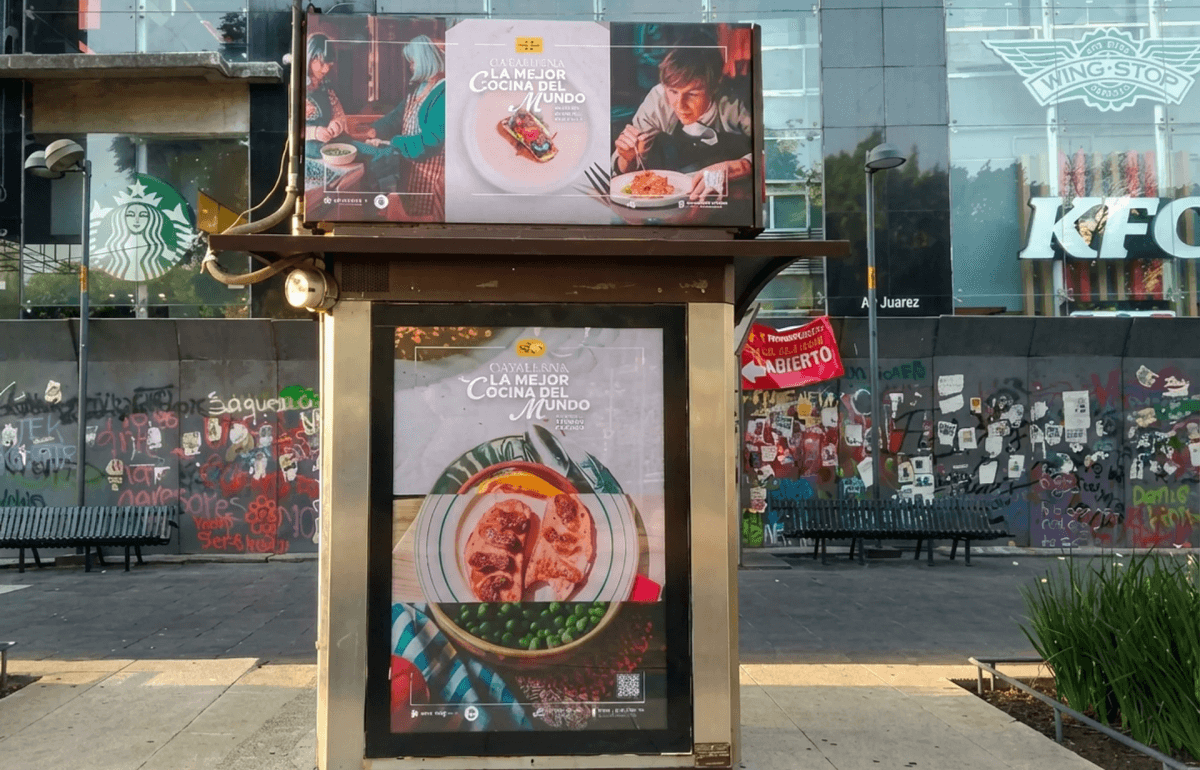
Successful campaigns typically take a city-by-city planning approach, reflecting regulatory differences, cultural nuance, and regional audience behavior. Premium environments—such as airport terminals, major shopping centers, and high-traffic arterial corridors—often serve as campaign anchors, supported by broader reach formats that extend frequency across metropolitan areas.
Garcia stresses that “Mexico should never be approached as a single homogeneous market,” noting that regional cultural distinctions and municipal policies can significantly influence both creative execution and media effectiveness.
Considerations for Brands
Considerations for Brands
Regulatory requirements differ by municipality and may affect timelines
Measurement standards are not fully unified across the market
Premium digital inventory is expanding, but increasingly competitive
Localization of messaging and cultural context remains essential for performance
“Approaching the market with strong local understanding makes a measurable difference,” Garcia explains. “It affects planning, execution, and ultimately results.”

Final Word
Mexico’s OOH sector is evolving from a scale-driven medium into a digitally enabled, infrastructure-supported advertising ecosystem. Continued static-to-digital conversion, sustained advertiser demand across key sectors, and major investments in mobility, tourism, and urban development position the country as one of Latin America’s most strategically important OOH growth markets over the coming decade.
As Garcia underscores, “The defining narrative is modernization: the market is rapidly advancing toward data-enabled planning, premium digital environments, and culturally grounded public-space storytelling, creating new opportunities for brands seeking both national reach and localized impact.”
If you’re planning to launch or expand campaigns in Mexico, the team at billups provides on-the-ground expertise across strategy, planning, and execution to help brands navigate local regulations, identify high-impact environments, and maximize campaign performance. Get in touch to learn more.
Our news


