Out-of-Home Advertising in Saudi Arabia: A Market Overview

Introduction
Saudi Arabia has been going through a major transformation. Vision 2030 is driving large-scale development across infrastructure, culture, lifestyle and tourism. The pace is fast, and the changes are visible across cities, skylines, and everyday life.
That shift is changing how brands show up in public space. To understand how out-of-home (OOH) advertising is evolving alongside this momentum, we spoke with David Hawkins (Managing Director – Middle East), Wissam El‑Rayess (Business Director – Middle East), and Karen Barboza (Account Manager – Middle East) at billups.
Key Points
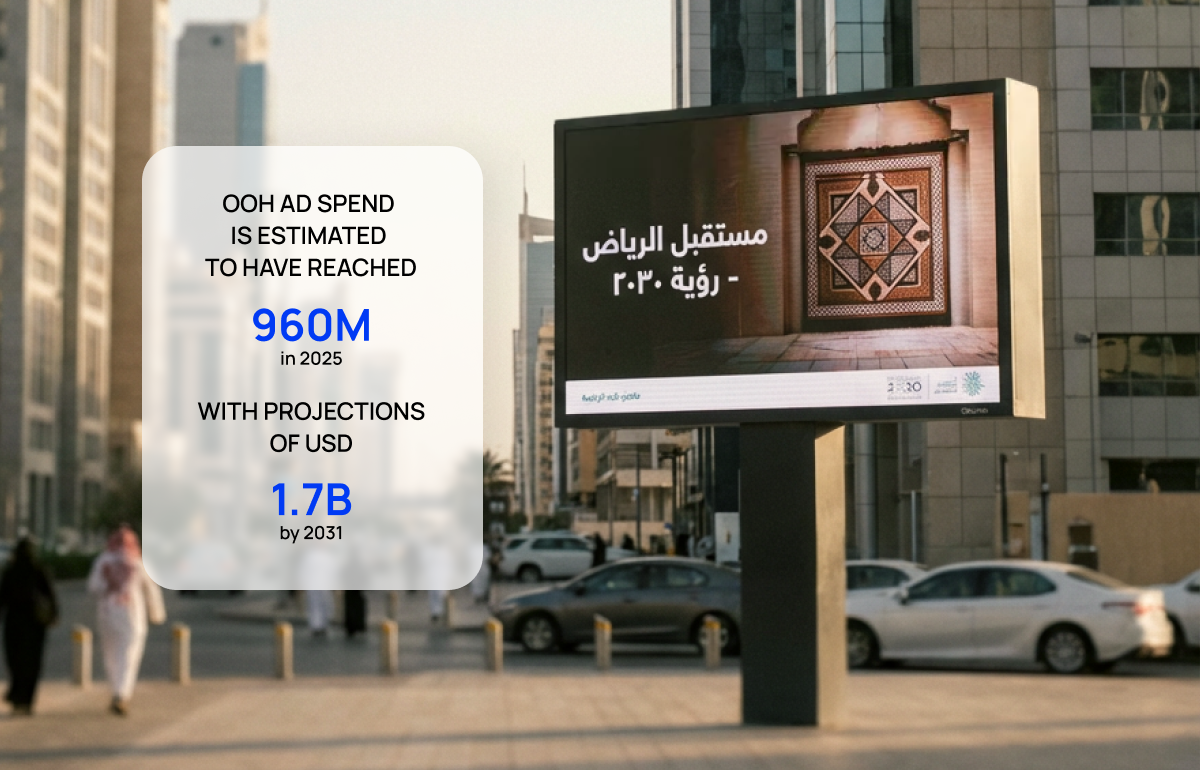
- OOH ad spend is estimated to have reached USD 960M in 2025, with projections of USD 1.7B by 2031
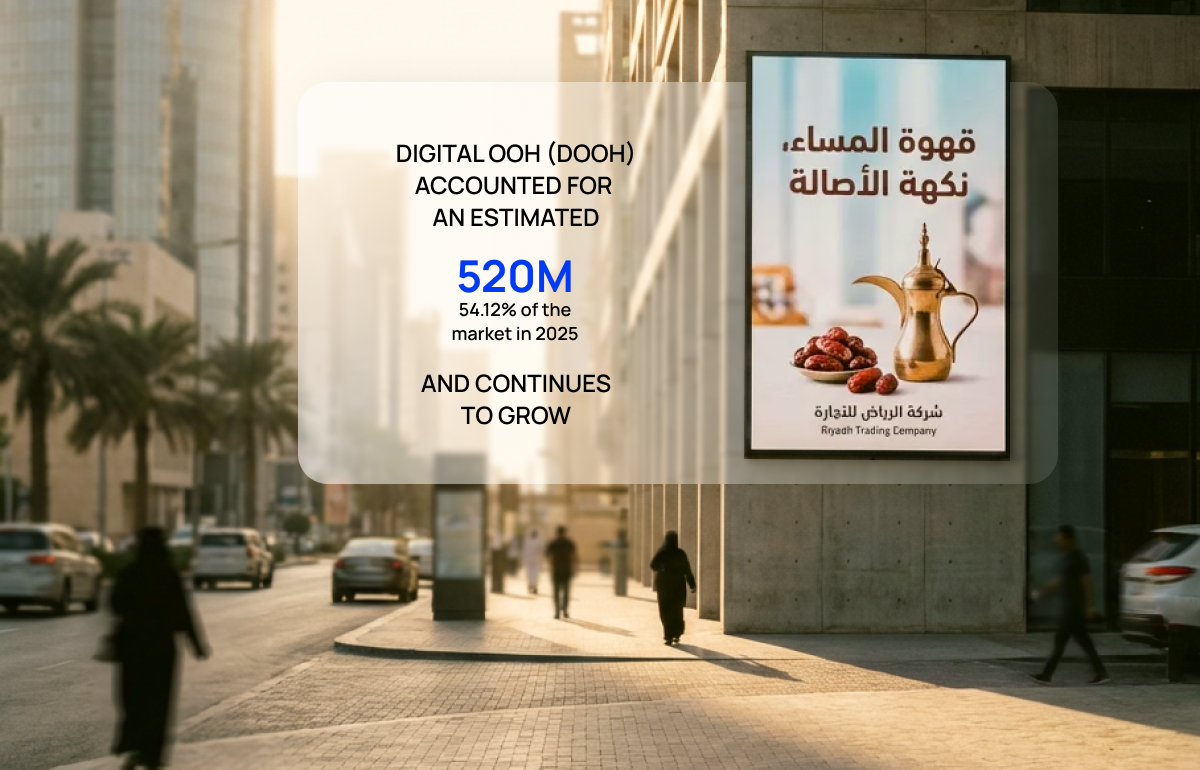
- Digital OOH (DOOH) accounted for an estimated 54.12% of the market (USD 520M) in 2026 and continues to grow
- Q1 2025 recorded 8.6 million international arrivals, uo 48% year over year
- Real estate reform and public investment are unlocking new media inventory
- Arabic-first, locally grounded creative remains essential
1. Market Size and Growth
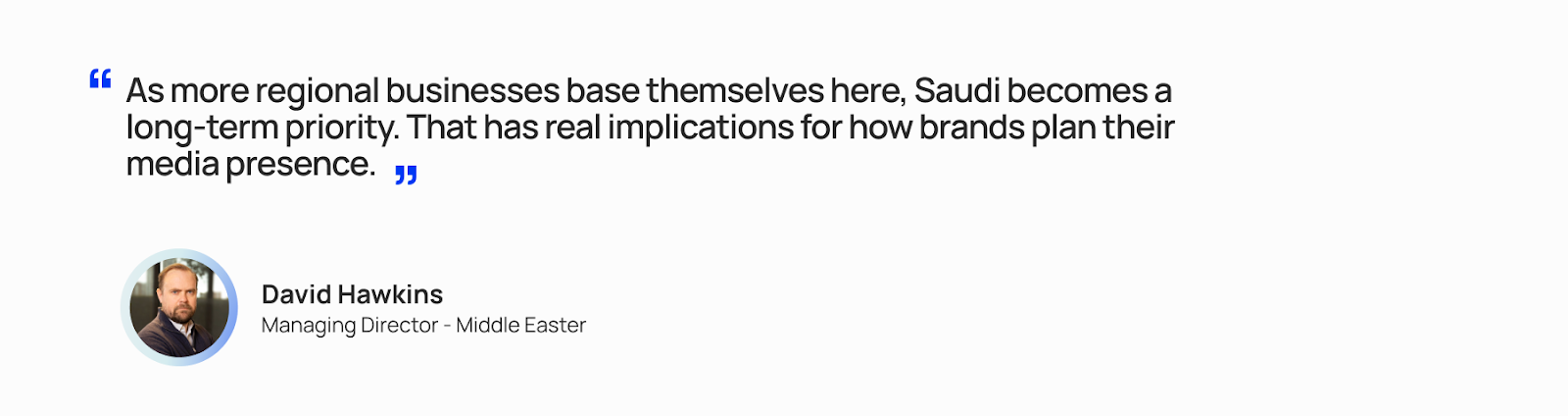
The Saudi OOH market is expanding steadily, but the more meaningful change is structural. Regional and global companies are increasingly establishing headquarters and operational hubs in the Kingdom, shifting how the market is viewed internationally.
2. Audience and Cultural Landscape
Saudi Arabia’s population is young, highly connected, and spends more time in shared public environments. Festivals, concerts, and seasonal programming are drawing people into streets, plazas, and transit areas.
While internet penetration remains high, demand for physical experiences continues to grow. Religious travel still drives large-scale movement, with 20.6 million Umrah pilgrims in H1 2025, while cultural programming is broadening the audience mix.
“At Riyadh Season, people weren’t passive,” says Karen Barboza. “They filmed the ads, shared them, and interacted with them. That level of engagement says a lot about how OOH is being received.”
3. What’s Shaping OOH in the Kingdom
Mega-developments are changing the map.
Projects such as Qiddiya, Red Sea, Al-Ula, and Diriyah Gate are creating entirely new districts. These areas are being designed with commercial, cultural, and media space built in from the start.
Tourism and travel are driving audience growth.
The 60.9 million international and domestic arrivals recorded in 2025 are moving through airports, hotels, resorts, and transport corridors, increasing demand for high-impact placements.
Cultural alignment is critical.
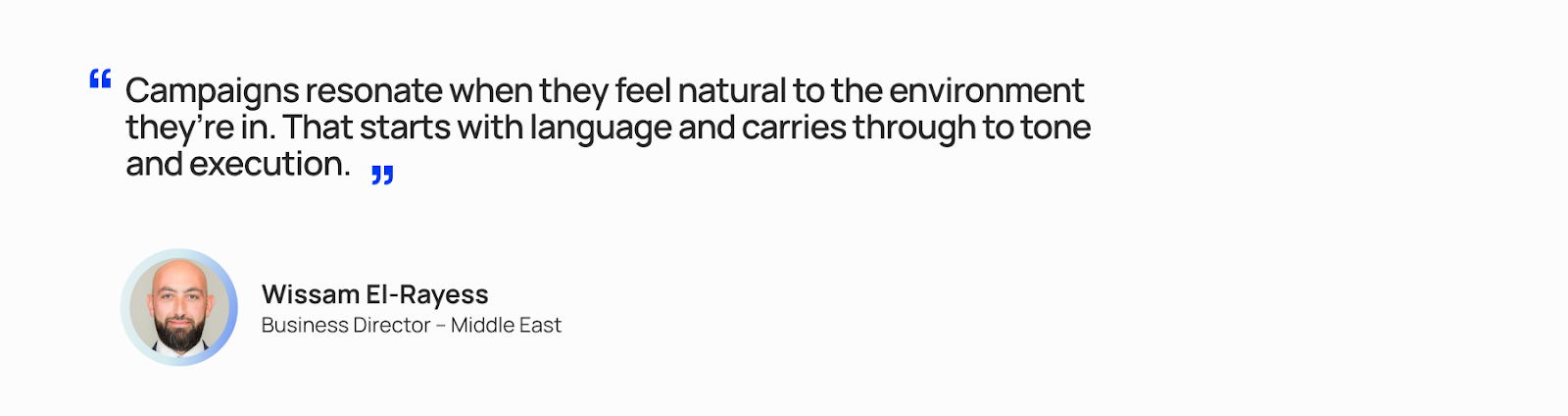
Campaigns that perform well are built around Arabic-first messaging and visuals that reflect local expectations and daily context.
4. Sector Spotlights
Tourism
Tourism generated an estimated USD 80B in 2025.. Government-backed initiatives are promoting Saudi Arabia globally through seasonal festivals, heritage sites, sporting events, and destination-led storytelling. OOH plays a consistent role across the visitor journey, from airport arrivals to cultural districts and resort zones.
Retail
Shopping malls are central to everyday life in Saudi cities. They function as social and lifestyle hubs, not just retail destinations. Beauty, fashion, and luxury are powerful categories, with Saudi Arabia ranking among the world’s highest spenders in beauty and showing continued demand for premium brands.
Hospitality
The hospitality sector recorded USD 73B in revenue in 2025. New hotels, resorts, and wellness developments are expanding media opportunities across both urban and destination markets.
Real Estate
Recent legislative changes are expected to attract foreign investment and accelerate development. New residential communities, mixed-use districts, and business zones are emerging, many of them designed with media integration in mind.
Government Projects
Infrastructure development remains a key driver. The Riyadh metro, launched in early 2025, is already influencing commuting patterns and opening up new transit-based media environments.
“These are placements that didn’t exist a year ago,” says Karen. “Now they’re part of media plans.”
5. Campaign Best Practices in Saudi Arabia
Brands launching OOH campaigns in Saudi Arabia should think in terms of touchpoints, not just placements. Successful executions often span high-traffic business hubs, cultural zones, and transit networks.
Business districts like KAFD (King Abdullah Financial District) are effective for reaching professionals, investors, and decision-makers — especially through large-format digital screens, building wraps, and elevated static units.
Entertainment destinations such as Riyadh Boulevard offer exposure to massive, diverse audiences during peak footfall times. These areas are ideal for experiential installations, animated digital panels, and branded environmental takeovers during festivals and events.
Common starting formats for brands include:
- Digital unipoles on major arteries (high visibility, wide reach)
- Bridge banners near key intersections
- Metro platform screens (especially in Riyadh’s newly launched metro lines)
- Airport arrivals and baggage claim zones (particularly in Jeddah and Riyadh)
Top environments to prioritize:
- Riyadh: KAFD, King Fahd Road corridor, Riyadh Metro, Boulevard City, airport expressways
- Jeddah: King Abdulaziz International Airport, Corniche Road, Red Sea Mall vicinity
The most effective campaigns are designed with the full journey in mind, from first arrival (airport or transit) to key engagement zones tied to lifestyle or business.
6. Considerations for Brands
The Saudi OOH market offers scale and visibility, but it requires preparation.
- Regulations are detailed and benefit from local guidance
- Creative needs to align with the cultural context to perform effectively
- Premium inventory is increasingly competitive
“Approaching this market with local understanding makes a measurable difference,” says David. “It affects both execution and outcomes.”
7. What Works
- Treat Saudi Arabia as a primary market, not a secondary one
- Start with Arabic-first thinking across copy, layout, and messaging
- Align campaigns with local calendars and seasonal moments
- Use a mix of static, digital, and emerging formats
- Partner with teams who understand approvals, placement, and cultural detail
8. Final Word
OOH in Saudi Arabia is evolving in tandem with the country itself. For brands, success comes from understanding the pace of change and responding with relevance and intent.
“When brands arrive with the right tone and the right timing, the audience responds,” says Karen.
If you’re looking to build a presence in the Kingdom, the team at billups brings on-the-ground expertise and local insight to help guide every stage, from strategy and planning to placement and execution. Get in touch with us to learn more.