The FIFA World Cup 2026: A Global Moment for Out-of-Home
Introduction
Date
Author
billups
Type
Articles

When the World Stops, Cities Transform
Every four years, the FIFA World Cup does something few events can. It changes how cities feel.
Airports fill. Transit systems swell. Bars open early. Public squares become gathering points. For a few weeks, daily life bends around a shared global ritual, as millions of people move through cities not just as residents or tourists, but as fans.
In 2026, that shift will unfold across the United States, Mexico, and Canada on an unprecedented scale. For the Out-of-Home (OOH) advertising industry, the opportunity extends far beyond stadiums. Streets, transit corridors, entertainment districts, and fan zones will become part of the tournament itself.
For brands, this is not simply about being seen. It is about showing up with relevance when emotion, movement, and public attention converge.
“Toronto being a host city creates a major opportunity for OOH because the World Cup turns the city itself into part of the fan experience,” said Natalie Clydesdale, Managing Director, Canada. “You’ll see higher foot traffic, heavier transit usage, more tourism, and more time spent in key gathering areas across the city. For brands, that makes OOH a natural channel to build both scale and relevance.”
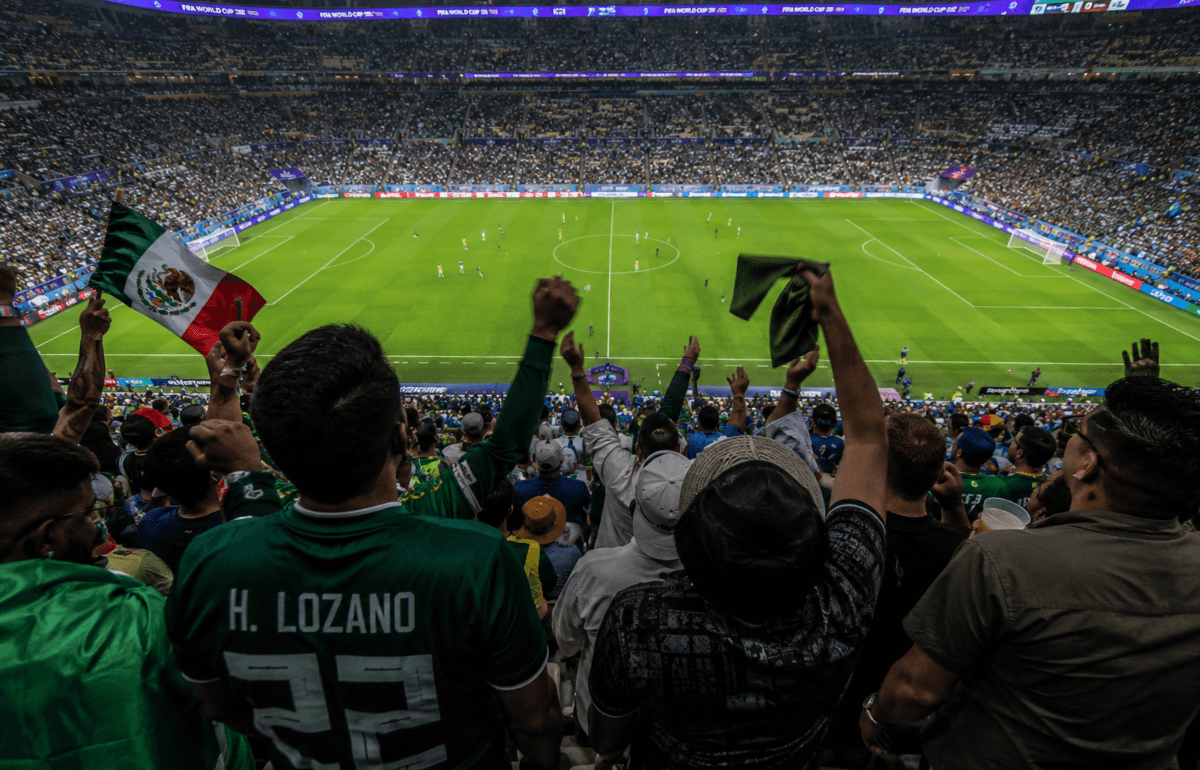
Host Cities Become the Medium
That sentiment is echoed across billups’ global markets, where leaders see the tournament as both a logistical transformation and a cultural one.
In Mexico, Salvador Garcia, Managing Director for Mexico, expects host cities such as Mexico City, Monterrey, and Guadalajara to experience dramatic increases in movement across airports, roadways, retail hubs, and fan zones.
“You’re going to have millions of people moving through cities at the same time with airports, roads, fan zones, retail,” Garcia said. “The demand for those spaces is going to spike fast. But just being there won’t be enough.”
For Garcia, the real opportunity lies in engagement; using physical presence not simply to occupy space, but to create meaningful interaction.
In the United States, where scale and fragmentation often complicate audience reach, World Cup host cities may offer something different: concentrated emotional energy.
Annie Bednarski, Managing Director for the USA Central region, described the event as a moment when entire urban environments become media platforms.
“This is one of those moments where cities become the canvas,” Bednarski said. “You’re a part of what people are experiencing in real time.”
Digital OOH, in particular, is expected to play a critical role, allowing advertisers to respond dynamically to match outcomes, fan sentiment, and cultural momentum as the tournament unfolds.
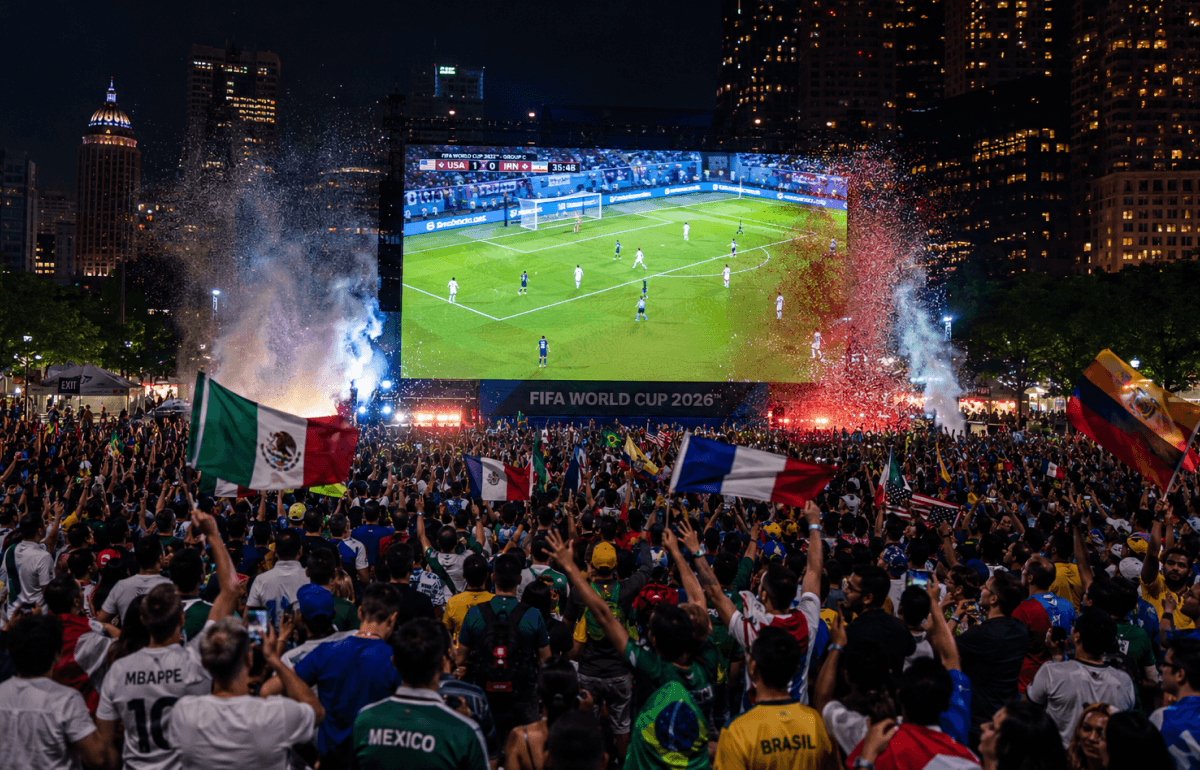
Beyond the Stadium
That flexibility may prove especially important given that the vast majority of fans will never enter a stadium.
“A lot of people won’t get tickets. Or they won’t want to pay for them,” said David Koppelman, Managing Director for the USA East region. “So they’ll be out in the city; bars, fan zones, public spaces. That’s where the real atmosphere is going to build.”
That shift from venue-based marketing to citywide engagement may redefine how brands approach sports advertising altogether.
In Los Angeles, Zach Caballero, Senior Account Manager for the USA West region, sees that challenge through the lens of the city's complexity.
“Los Angeles may be one of the most complex host markets in the tournament,” Caballero said. “People move constantly across neighborhoods, transit systems, and cultural hubs. That creates enormous opportunity for OOH, but only if brands understand how to build relevance across that movement.”
For Caballero, success in Los Angeles will depend less on singular placements and more on understanding how audiences move through one of the world’s most fragmented urban environments.
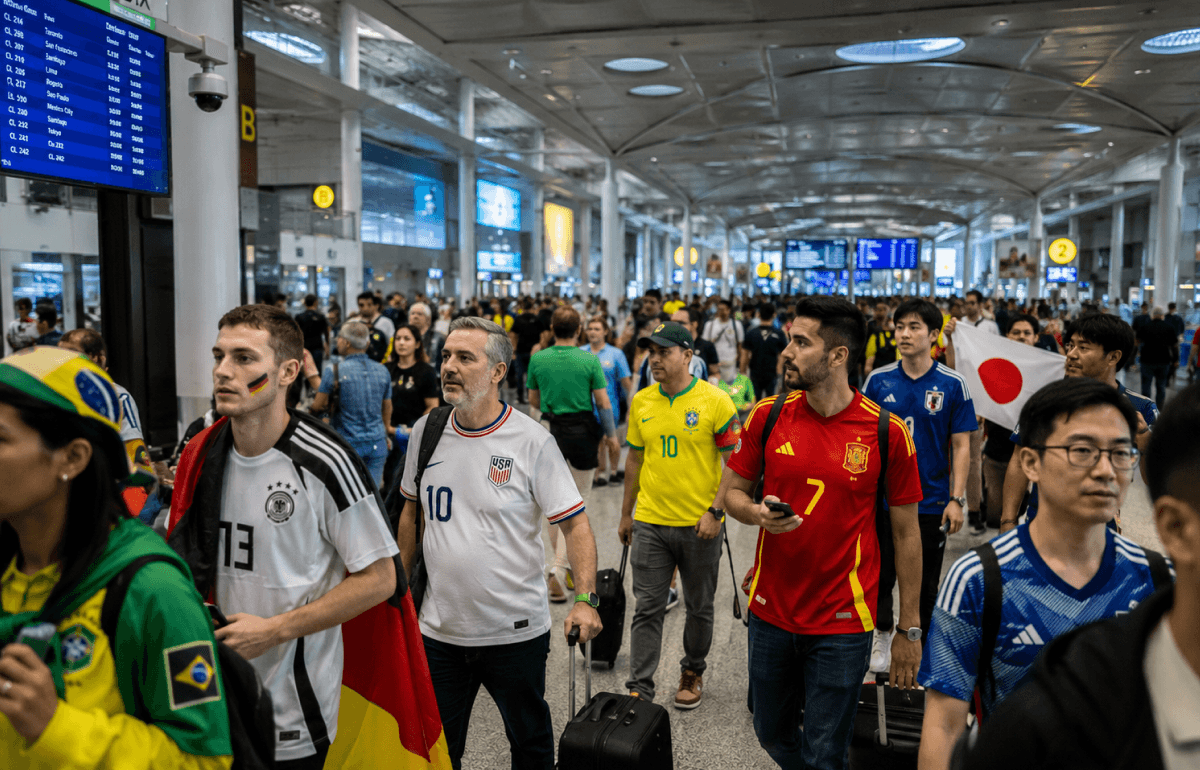
The Power of Shared Public Moments
Beyond host nations, executives across global markets see the World Cup as one of the last truly mass shared experiences in an increasingly fragmented media environment.
“These are collective moments,” said Koen Van Rhijn, Managing Director for Belgium. “When people are emotionally invested, they’re paying more attention.”
That attention, he argues, creates a rare opening for OOH to combine scale with contextual relevance.
Rohan Prasad, Client Development Director for Australia and New Zealand, expects brands to build campaigns around the tournament's cadence.
“We’re seeing more campaigns built around the flow of the game; before, during, and after,” Prasad said. “Live updates, contextual messaging, reacting to key moments.”
But Prasad also warned that real-time responsiveness can quickly become counterproductive.
“If you overdo it, it starts to feel intrusive,” he said.
That tension may define one of the biggest creative risks of World Cup advertising: confusing visibility with value.
Many brands will invest heavily in scale. Far fewer will understand that during a global event built on emotion, irrelevance can be more costly than absence.
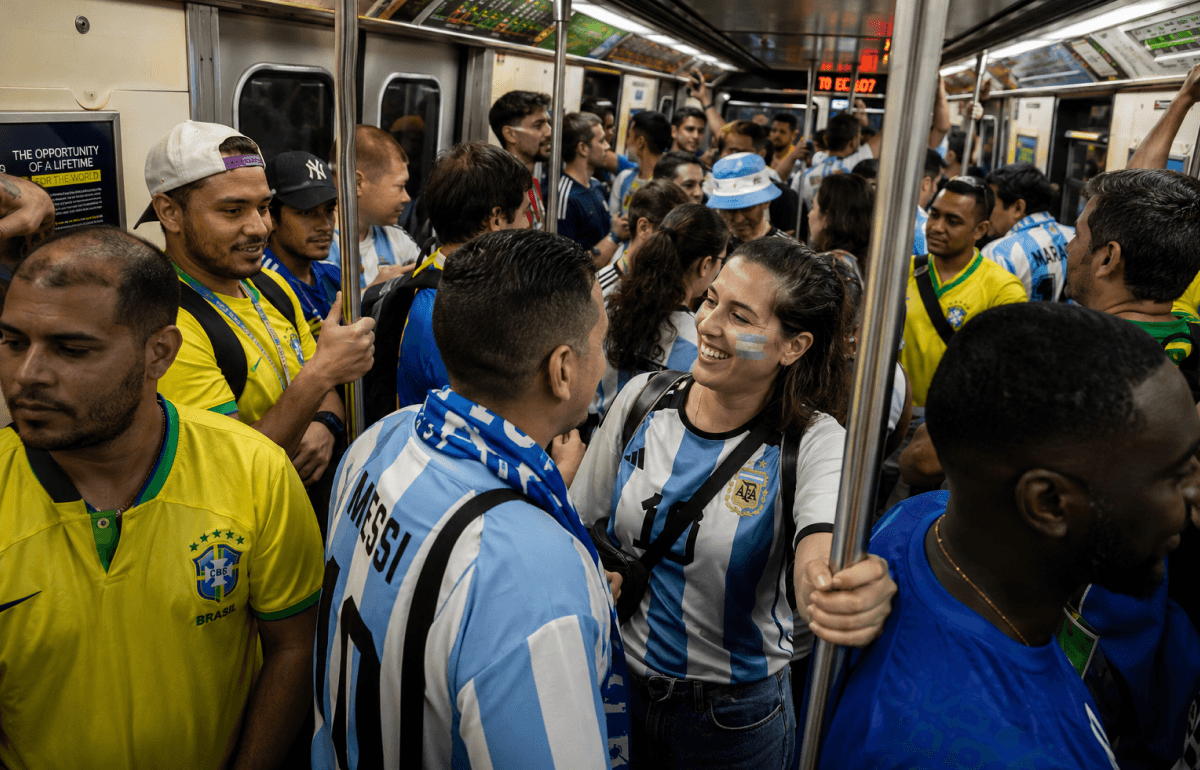
A Global Audience, A Local Experience
Outside North America, similar opportunities are emerging wherever fans gather socially.
David Hawkins, Managing Director for the Middle East, expects entertainment districts, hospitality venues, and public viewing spaces to see a surge in footfall.
“You’re going to see more people spending time in public spaces,” Hawkins said. “That creates a really strong audience.”
For Hawkins, the challenge is ensuring campaigns match the intensity of those environments through immersive formats and dynamic content.
In the United Kingdom, timing may shape engagement differently. With evening kick-offs likely to drive communal viewing, Nick Bell, Managing Director for the UK, sees OOH as part of a broader fan journey.
“People are watching together,” Bell said. “That gives brands multiple chances to show up.”
From pre-match anticipation to post-match reflection, Bell sees opportunity not in a single placement, but in sustained relevance across the full rhythm of fan behavior.
Canada’s Citywide Opportunity
For Canada, the World Cup presents an opportunity not just to host matches, but to transform Toronto and Vancouver into part of the tournament experience itself.
“Brands won’t just be looking for reach during the World Cup,” Clydesdale said. “They’ll be looking for cultural relevance in the moment.”
In Toronto and Vancouver, transit systems, downtown corridors, fan zones, entertainment districts, and commuter routes may function less as media inventory and more as cultural touchpoints.
“We expect audience behavior in Toronto and Vancouver to shift meaningfully during the World Cup,” Clydesdale said. “There will be more movement into the core, longer dwell times, more communal viewing, and a noticeable lift in pre- and post-match activity across the city.”
That shift, she argues, is where OOH becomes uniquely effective.
“During an event like the World Cup, OOH is not just a media channel,” Clydesdale said. “It becomes part of the live experience, helping brands feel present in the moments people will remember.”
More Than Advertising
More Than Advertising
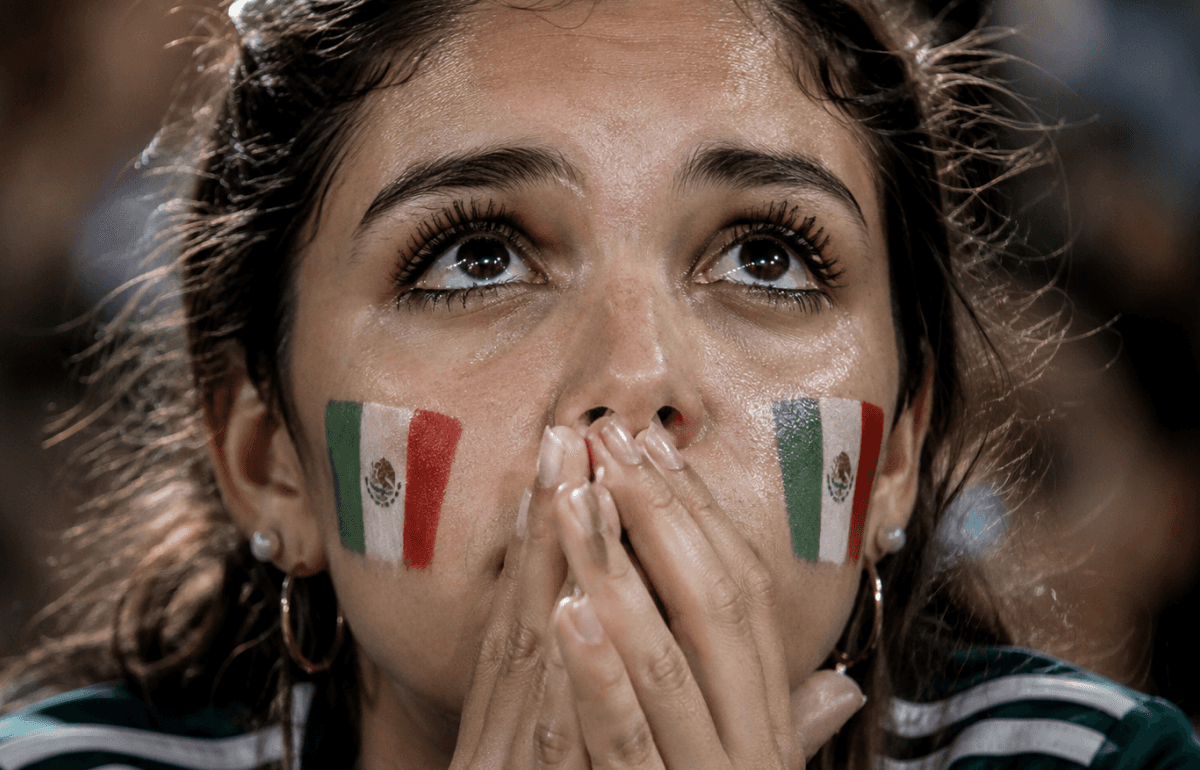
That may ultimately be the defining opportunity of the FIFA World Cup 2026 for the global OOH sector.
For all the emphasis on screens, formats, and placements, the tournament’s greatest value may lie in something more fundamental: its ability to create shared public moments on a global scale.
The brands that succeed will not necessarily be the loudest.
They will be the ones who understand the difference between occupying space and earning relevance within it.
As cities become stages, the winners may be those that recognize OOH is no longer just a channel for visibility.
It is part of the experience itself.
Our news


