Visibility with Intent: CES 2026 and the Role of Public Space
Introduction
Date
Author
billups
Type
Articles
Visibility with Intent: CES 2026 and the Role of Public Space
You didn’t need a badge to catch the energy of CES this year. Just being in Las Vegas during the week was enough. Screens everywhere, hardware launches wrapped in hype, and just outside the convention center? Big, bold brand statements catching people between crosswalks and coffee runs.
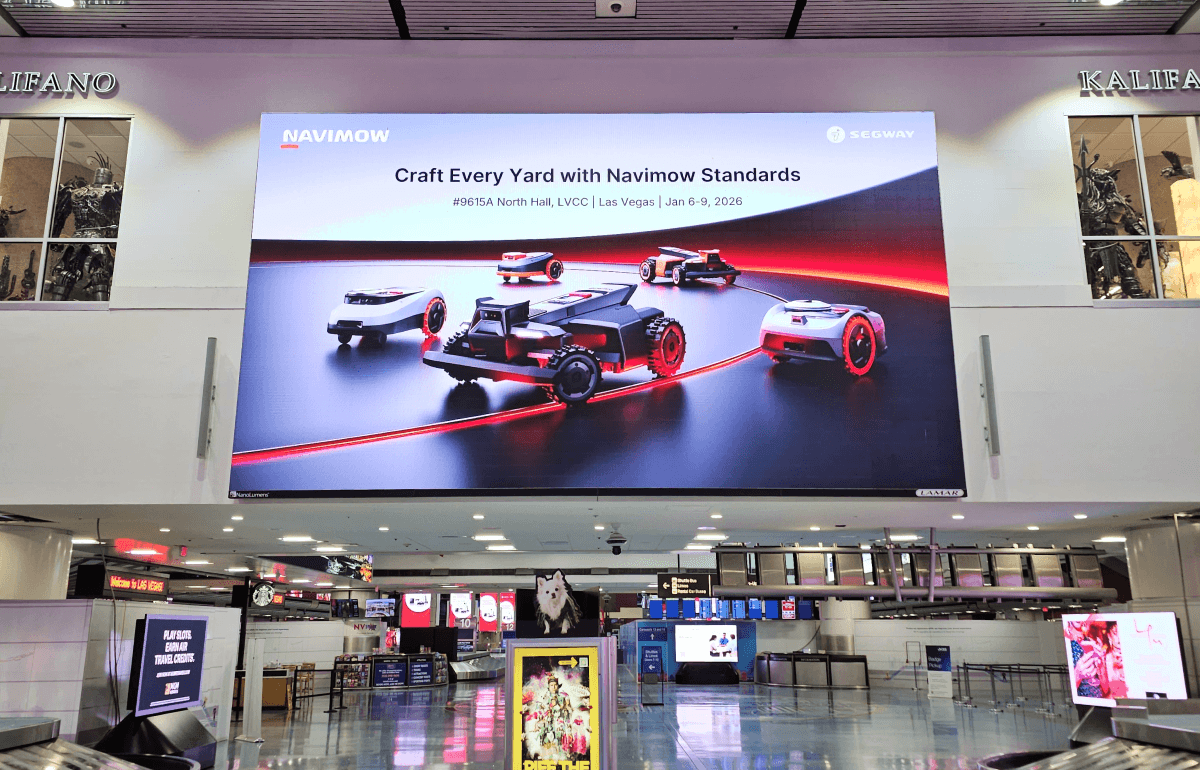
This year, billups worked with brands like UGREEN, TCL, Navimow, and Roborock to extend their presence beyond the booth. While others were demoing technology behind closed doors, these brands were speaking to the public - on the Strip, on the skyline, and in moments that actually stuck.
To deliver that impact, we worked alongside a wide range of partners across markets. That collaboration is essential to turning big announcements into visible, public moments, where OOH earns its place by meeting people where they already are. We thank them very much for their support.
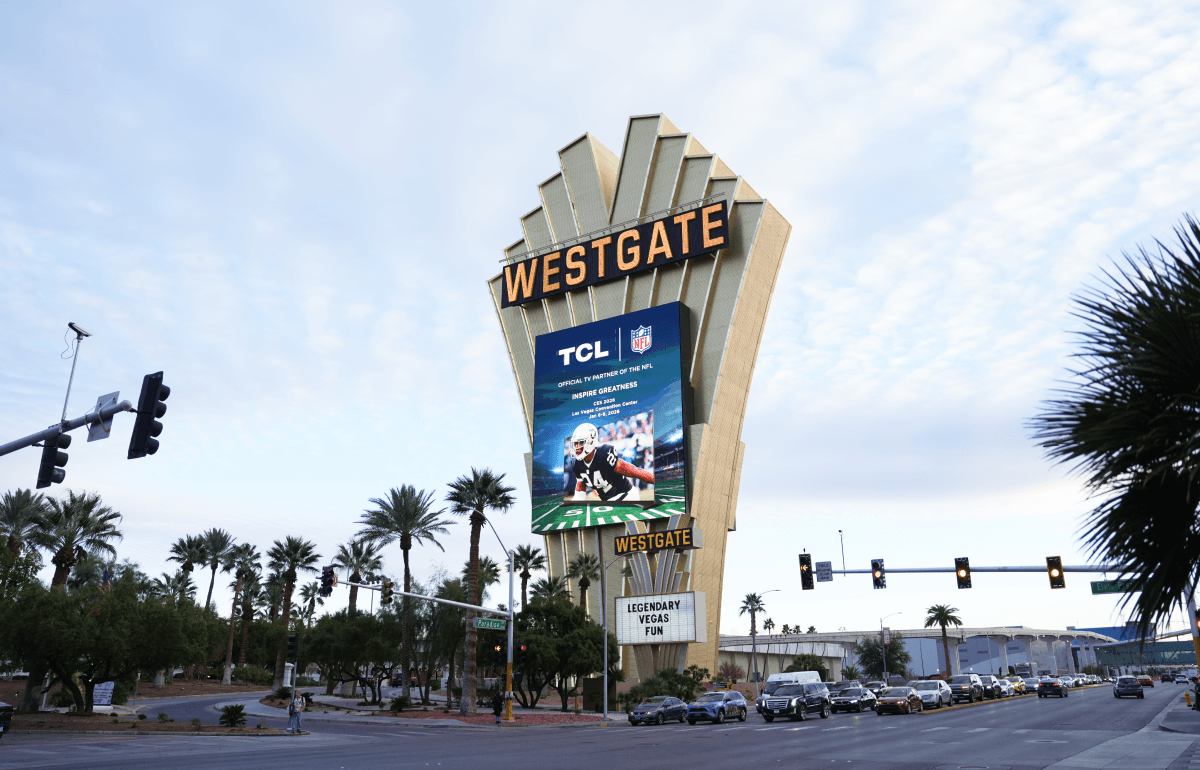
The work was about translation, not spectacle: turning complex, technical innovations into something legible at street level and going beyond a logo into a message that made sense at 30 feet, in three seconds, to people who weren’t necessarily listening.
“Tech doesn’t live in the lab anymore. It lives in sidewalks, streets, subways; anywhere where people make everyday decisions,” said Ranga Somanathan, Chief Strategy Officer at billups. “OOH becomes part of that real-world interface. It’s where brands integrate.”
Something we’ve seen more of, especially around events like CES, is tech companies, including B2B players, turning to real-world media to build brand credibility. For many, it’s about establishing presence in markets they’re trying to grow in, or signalling relevance to investors, partners, and talent. OOH becomes part of that broader play for recognition, not just reach. It has also been shown that compared to other forms of advertising OOH scores highly in terms of trust which is essential to brand building.
The Tech May Be New, But the Questions Are Familiar
The official CES program was heavy on AI (no surprise), but what stood out was the framing. Nearly every major session circled back to something broader: How do these technologies fit into real lives, real cities, real systems?
Robotics was pitched as an answer to labor shortages. Digital health was about managing chronic care at scale. Advanced mobility asked what happens when smart vehicles meet urban infrastructure.
That orientation toward utility, not innovation, mirrors what we see on the streets. People don’t interact with tech in a vacuum. They interact with it in motion, in public, in passing.
“This year’s CES was about more than what technology can do; it was about showing muscle and scale,” said Joss Roulet, China Lead, Client Development Director at billups. “For a brand like Roborock, launching a new Real Madrid partnership at such a key moment is a strong statement. It signals confidence and the ability to operate beyond the booth, in the real world.
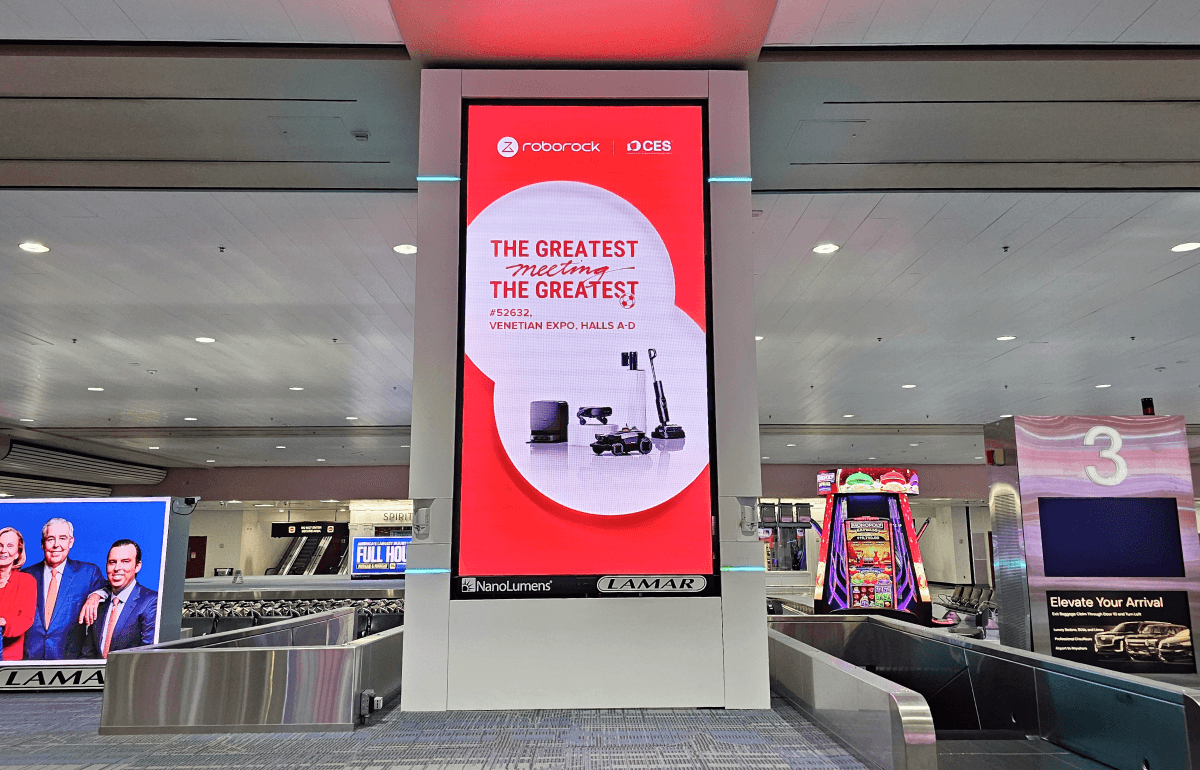
CES 2026 underscored something more immediate than the future: that visibility, context, and clarity still matter. In a world saturated with screens, the brands that meet people in the real world will carry more weight than the ones shouting from behind glass.
Want to understand what visibility really means in 2026? Get in touch with us.
Our news


