When the Creator Economy Meets Billboards: Why OOH Matters More Than Ever
Introduction
Date
Author
billups
Type
Articles
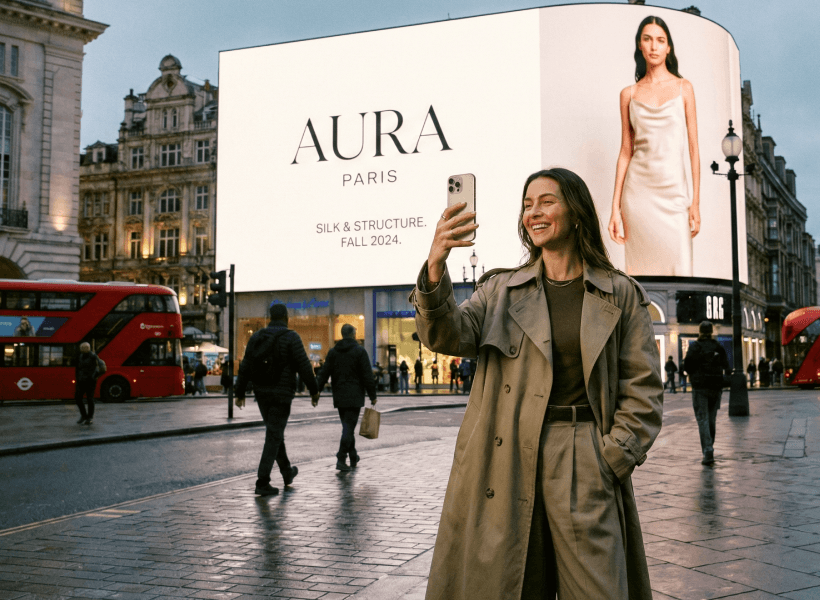
The creator economy didn’t lose relevance, it lost certainty.
For years, creators and brands played the same game: grow followers, chase engagement, and hope the algorithm stayed kind. But today, attention is fractured, feeds are saturated, and reach is increasingly rented, not owned.
At the same time, something unexpected is happening. Out-of-Home (OOH), once dismissed as “old media” is quietly becoming one of the most powerful tools for creators and modern brands who want credibility, cultural relevance, and real-world impact.
This isn’t a nostalgia play. It’s a response to a new reality: human attention has moved beyond the feed.
As the creator economy matures, influence is no longer measured solely by views and likes. It’s measured by presence in cities, in communities, and in the physical world people actually move through every day.
This is where OOH steps back into the spotlight.
Let’s get one thing clear before anything else: the creator economy isn’t just about amassing followers anymore. It has matured into a full-scale attention economy, where creators, brands, and marketers compete for something more scarce and valuable than clicks: genuine, human attention.
And that attention is harder than ever to capture inside the feed. Algorithms throttle reach, organic visibility shrinks, and audiences are drowning in sameness. If you’ve ever posted your best work and watched it quietly disappear, you’ve felt this shift firsthand which is why Out-of-Home (OOH) has re-emerged as one of the most powerful levers for creators and brands who want cultural relevance and measurable business impact.
OOH shows up where real life happens. It’s not hidden behind a swipe or an algorithm. It’s on the street, in the subway, on the corner you pass every morning. That’s why more creators and marketers are finally treating it like a performance channel, rather than an old-school branding channel. It gives you something the feed never can: an undeniable, real-world presence.
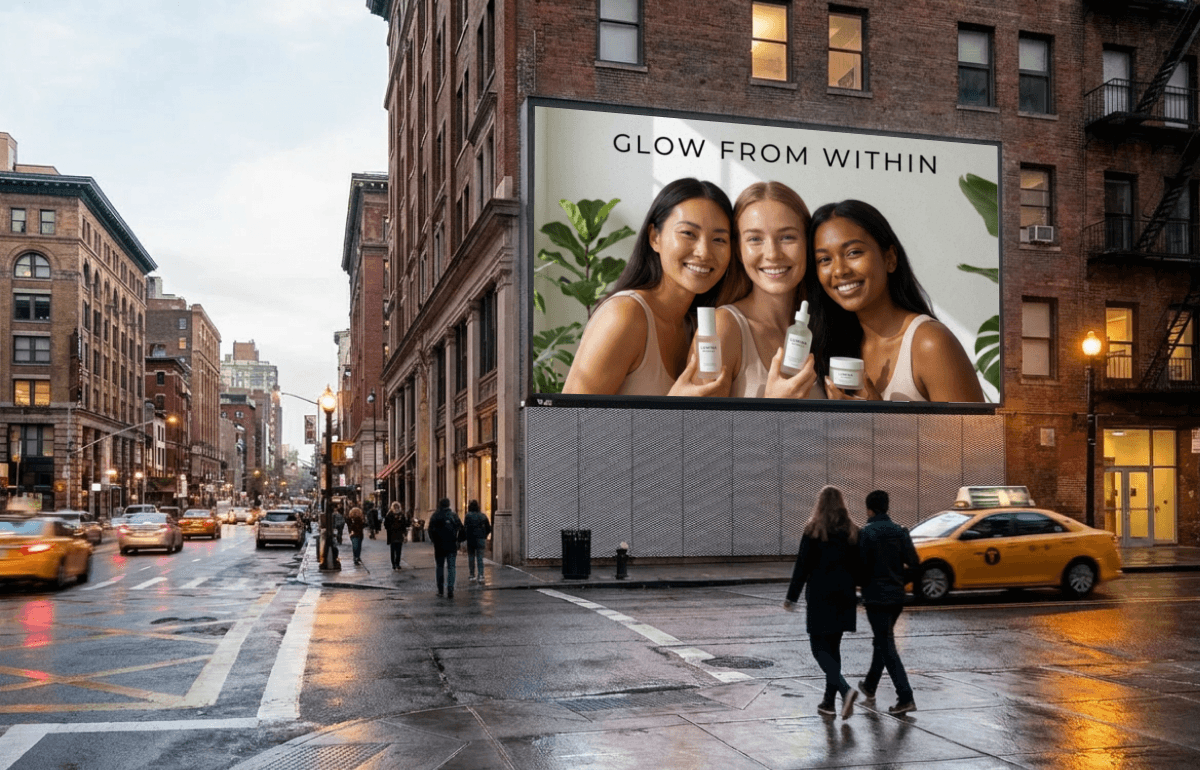
Table of Contents
OOH: The Last Mass Medium That Still Commands Attention
From Influence on Screens to Influence on Streets
Myth vs. Truth: What Creators Get Wrong About OOH
Why Content Gains Power When It Escapes the Feed
OOH’s Evolution: From Branding to Performance Channel
Trust, Authenticity, and Shared Cultural Moments
Why the Creator Economy Needs OOH Now
From Popularity to Cultural Relevance
Key Takeaways
The creator economy has evolved into an attention economy.
Followers matter less than the ability to command real, sustained human attention across environments.
Algorithmic reach is rented, not owned.
Creators and brands that rely solely on platforms remain exposed to throttling, suppression, and shifting rules.
OOH is no longer just a branding channel.
Modern OOH and DOOH function as measurable, performance-driven media with attribution, data, and real outcomes.
Physical presence creates trust digital signals can’t replicate.
Appearing in public space delivers legitimacy, accountability, and cultural credibility that feeds alone cannot.
Content gains power when it escapes the feed.
OOH increases recall, boosts branded search, and amplifies digital engagement by extending content into the real world.
Cultural relevance requires real-world visibility.
Influence that never leaves the screen rarely becomes enduring or shared.
OOH bridges online influence and real-world authority.
For creators and modern brands, it is the connective tissue between digital popularity and lasting presence.
OOH: The Last Mass Medium That Still Commands Attention
Out-of-Home, billboards, transit ads, street furniture, and digital displays deliver something screen-based advertising can’t. It offers visibility outside the filter bubble, in the places where people actually live their lives.
Broad reach: OOH reaches commuters, shoppers, pedestrians, and community members who may never follow you online.
High impact: People pass the same placements repeatedly in their weekly routines. That repetition builds recall.
Unfiltered exposure: Unlike social platforms, OOH isn’t blocked, skipped, hidden, or throttled. The message appears every time someone passes by.
Creators often say they want reach. But the reach that depends on the platform is rented. OOH provides reach that is owned.
For creators used to digital-only audiences, OOH is the bridge between online influence and real-world authority.
From Influence on Screens to Influence on Streets
As the creator economy evolves, the biggest question has shifted from:
“Who has followers?”
to
“Who can hold attention, everywhere?”
Digital Out-of-Home (DOOH) helps creators and brands do exactly that. DOOH enables dynamic, data-driven creative, real-time updates, targeted placements, and the ability to repurpose influencer content without additional production.
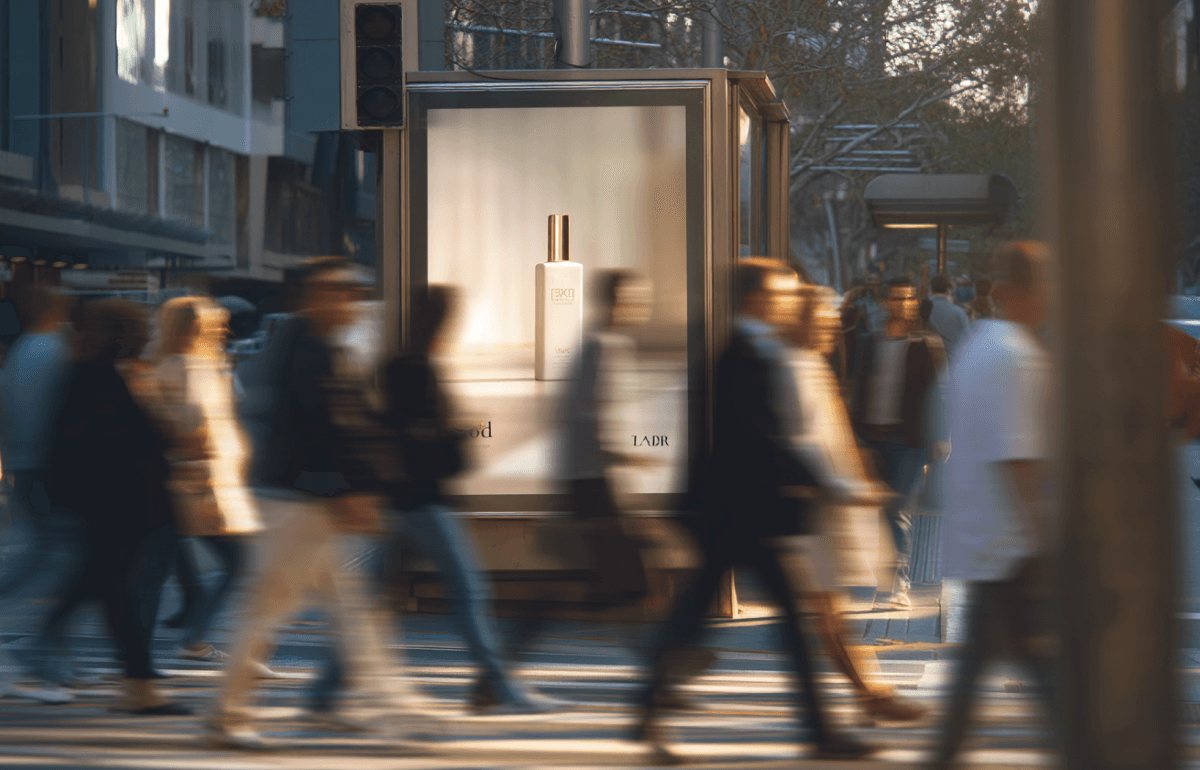
Imagine posting a TikTok that hits a few hundred thousand views. Now imagine that same content appearing on a bus shelter at the busiest intersection in your city. Suddenly, your presence isn’t just digital noise. It’s part of someone’s daily environment.
OOH offers a form of public social proof that goes well beyond likes. When people see your brand or face in physical space, it becomes part of a shared cultural experience, not just an algorithmic moment.
As Award-winning OOH creator Phil Blondé,puts it:
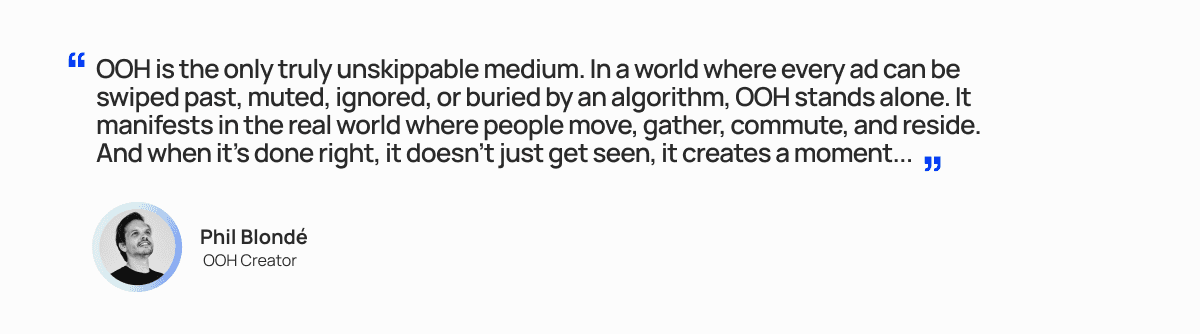
Great OOH makes people slow down, look twice, pull out their phones, and share it. It turns audiences into participants, not passive scrollers. A billboard doesn’t sit in a feed; it sits in a city. It becomes part of the landscape, part of the story, part of the memory.
In a media environment defined by noise and endless choice, the brands that win are the ones bold enough to show up publicly, physically, and unskippably.”
Myth vs Truth: What Creators Often Get Wrong About OOH
Myth #1: OOH is just a vanity flex.
Truth: It’s only vanity when there’s no strategy. When done right, it multiplies trust and reach.
Myth #2: Billboards are only for big brands.
Truth: Programmatic DOOH has made outdoor media accessible to smaller creators and brands, sometimes at the cost of a boosted post.
Myth #3: My followers equal my reach.
Truth: Your reach equals whatever an algorithm decides. OOH requires no permission.
Myth #4: OOH can’t be measured.
Truth: Modern OOH tracks foot traffic, branded search lift, website visits, QR interactions, and conversions.
Myth #5: My content belongs only on social platforms.
Truth: Content is often more powerful when it escapes the feed. Physical placement boosts recall and drives digital engagement.
Myth #6: OOH is old media.
Truth: OOH is the last algorithm-proof medium. No throttling. No suppression.
Myth #7: If I’m big online, real-world relevance will follow.
Truth: Real-world presence isn’t inherited from digital fame. It’s earned.
Why Content Gains Power When It Escapes the Feed
Inside the feed, your content competes with hundreds of visual stimuli a minute. Outside the feed, something different happens:
Recall increases because physical environments have fewer distractions.
Digital engagement increases because OOH reliably lifts branded search, profile visits, and clicks.
Legitimacy increases because multi-context exposure reinforces identity and builds trust.
If people see you in only one place, you feel like content or a sponsored ad. If they see you everywhere, that’s when you become part of the culture. Real-world campaigns back this up.
For instance, in a 4-week bulletin campaign, a fashion brand saw its website traffic double and sales grow by 67%. In another DOOH + QR-code poster campaign, an urban-fashion brand attracted thousands of direct engagements.
OOH’s Evolution: Data, Context and Performance
OOH has transformed from a static branding play to a measurable, high-performance channel.
DOOH enables data-driven placements: campaigns can respond to audience density, weather, events and real-time conditions.
Attribution connects exposure to action: store visits, website traffic, branded search, and conversions can all be tied back to OOH exposure.
Cross-channel synergy boosts digital: OOH increases social engagement, branded search volume, and direct traffic even without extra digital spend.
A billboard is no longer just a billboard. It’s a trust signal, a performance lever, and a cultural anchor.
In a recent DOOH campaign by a major content brand across multiple U.S. cities, awareness and engagement metrics climbed dramatically: social media growth jumped 32%, social engagement surged 75%, and total paid impressions exceeded 200 million.
Trust, Authenticity and Shared Cultural Moments
Digital fatigue is real. Sponsored posts flood feeds. Algorithms change. Audiences are tired.
OOH offers something rare: accountability. When an ad appears in a public space, it can’t be ignored, hidden, or skipped. It exists in people’s daily environment; it becomes an unfiltered reality.
Anyone can buy followers or inflate digital stats. But placing your face on a public billboard and seeing real people respond to that demands legitimacy. That builds trust.
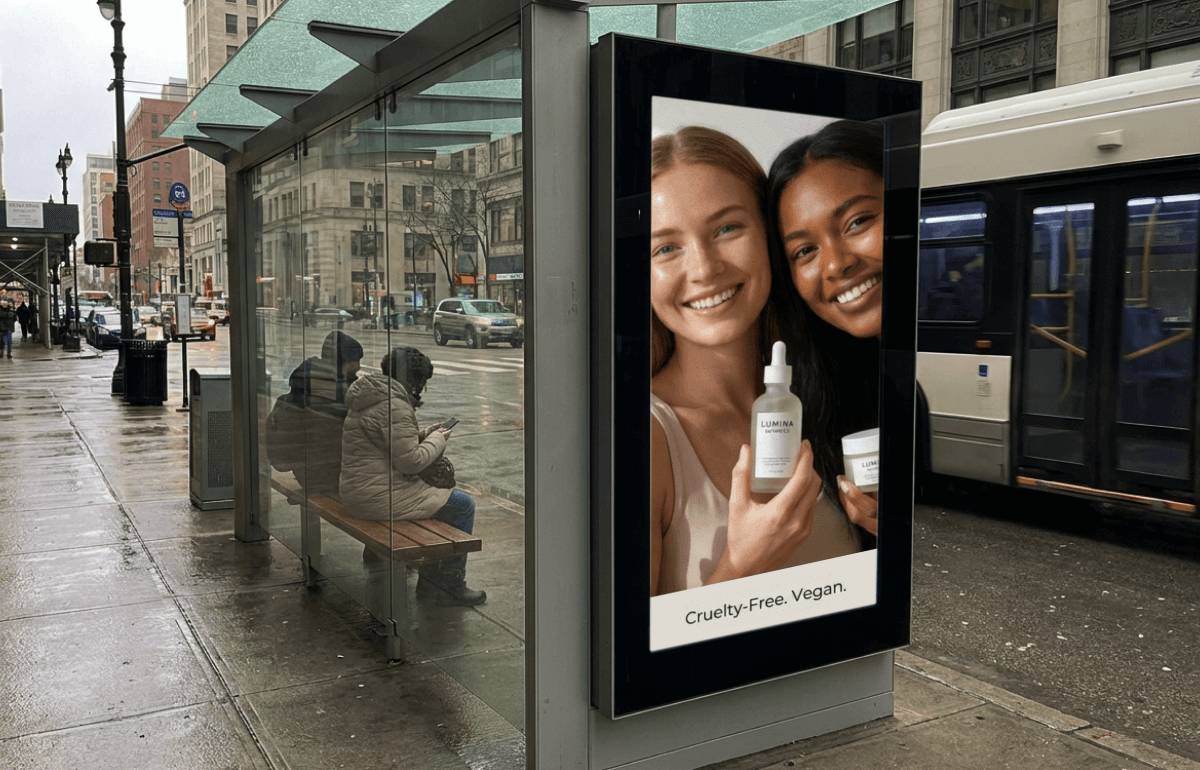
OOH can also spark shared cultural moments: murals, street-level installations, transit-shelter campaigns, and city-wide takeovers. These don’t feel like ads. They feel like part of the environment. They invite conversation, sharing, and real-world emotional response.
This is the power that separates fleeting feed content from lasting presence.
Why the Creator Economy Needs OOH Now
OOH delivers:
Real reach beyond the feed
Measurable outcomes and attribution
Cultural relevance and long-term trust
Independence from algorithm changes
A bridge between online influence and real-world presence
OOH doesn’t replace digital creators; it reveals which ones deserve long-term cultural relevance.
From Popularity to Cultural Relevance
The creator economy is no longer defined by platforms. It’s defined by presence.
As algorithms fragment reach and feeds grow more crowded, creators and brands face a clear choice: remain dependent on rented attention, or invest in visibility that exists beyond the screen. OOH represents that shift not as a throwback channel, but as a modern, measurable way to show up where real life happens.
This is why OOH feels different. It isn’t optimized for scrolling. It isn’t filtered, muted, or skipped. It shows up publicly, physically, and consistently turning fleeting digital moments into shared cultural ones.
For creators, OOH is the bridge from influence to authority.
For brands, it’s the difference between being seen and being remembered.
OOH doesn’t replace digital channels. It strengthens them. It gives content weight. It gives visibility legitimacy. And it gives creators and brands something algorithms never will: a real-world presence people can’t ignore.
The next evolution of the creator economy won’t be won in the feed alone.
It will be won by those bold enough to step outside it and into the world.
If you’re ready to explore what real-world presence can unlock for your brand or creator strategy, now is the moment to start thinking bigger than the feed.
Our news


