Out-of-Home Advertising in Malaysia: A Market Overview
Malaysia’s Out-of-Home (OOH) advertising market sits at the intersection of rapid urban growth, digital media expansion, and one of Southeast Asia’s most diverse consumer landscapes. Across Kuala Lumpur and the country’s major urban corridors, advertisers are increasingly investing in environments that combine mass visibility with digital flexibility, helping position Malaysia as one of the stronger OOH markets in the APAC region.
According to Paul Low, Managing Director - Malaysia at billups, the market has undergone a notable transformation over the past several years as budgets shifted away from traditional channels such as print, radio, and linear television. “OOH has grown from a single-digit share of spend into a double-digit medium in Malaysia,” he explains, noting that the sector now accounts for approximately 8–10% of overall advertising investment, a level that places Malaysia among the higher-spending OOH markets across Asia Pacific.
Key Points
- OOH share of media spend: estimated 8–10% of total advertising budgets in Malaysia
- Market composition: rapidly expanding digital OOH sector alongside strong roadside inventory
- Key advertisers: telecommunications, mobile device brands, FMCG, e-hailing platforms, and Chinese brands
- Growth drivers: urbanization, transit infrastructure, digitalization, and retail media environments
- Emerging opportunity: programmatic DOOH and Dynamic Creative Optimization (DCO) adoption
Market Size and Growth
Malaysia’s OOH sector has expanded steadily alongside the country’s broader digital transformation. While traditional media categories such as print and linear television have lost share, advertisers have continued shifting investment toward channels capable of delivering both broad reach and real-world visibility.
Regional media estimates indicate that Malaysia remains one of the stronger OOH investment markets in Southeast Asia, supported by rising urbanization, consumer spending, and digital connectivity.
Low believes the resilience of the channel comes from its ability to grow alongside digital media rather than compete directly with it. “The growth in digital media is organic and natural across global markets,” he says. “What’s interesting in Malaysia is that OOH has continued to grow alongside that shift rather than losing relevance.”
That shift is particularly visible in Kuala Lumpur, where advertisers increasingly combine large-format roadside placements with digital transit screens, retail media, and mobile-led engagement strategies.
Audience and Cultural Landscape
Malaysia’s cultural diversity shapes nearly every aspect of OOH planning. The country’s population is primarily made up of Malay, Chinese, and Indian communities, creating a highly nuanced media landscape where geography, language, and local audience behavior all influence campaign strategy.
Historically, planners relied heavily on local knowledge of community concentration and neighborhood demographics when selecting inventory. Today, those instincts are increasingly supported by mobility and audience data to refine targeting and optimize placement decisions.
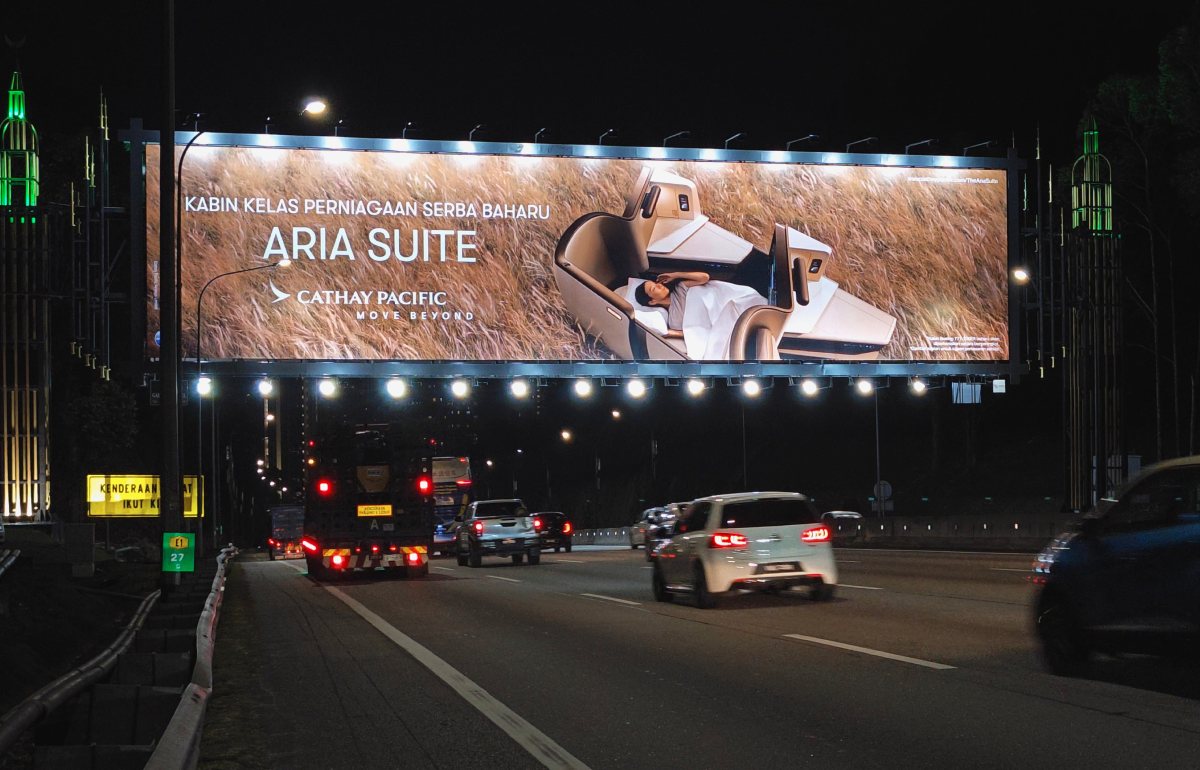
The country’s mobility patterns also play a major role in campaign effectiveness. Kuala Lumpur’s extensive highway system, growing MRT network, and highly active retail environments generate constant audience movement throughout the day, creating multiple exposure points across the consumer journey.
As Low explains, understanding those movement patterns is essential in a market as diverse as Malaysia. “You can’t approach the audience as one homogeneous group,” he notes. “Local understanding still matters enormously when planning OOH campaigns here.”
Digital Transformation and DOOH Expansion
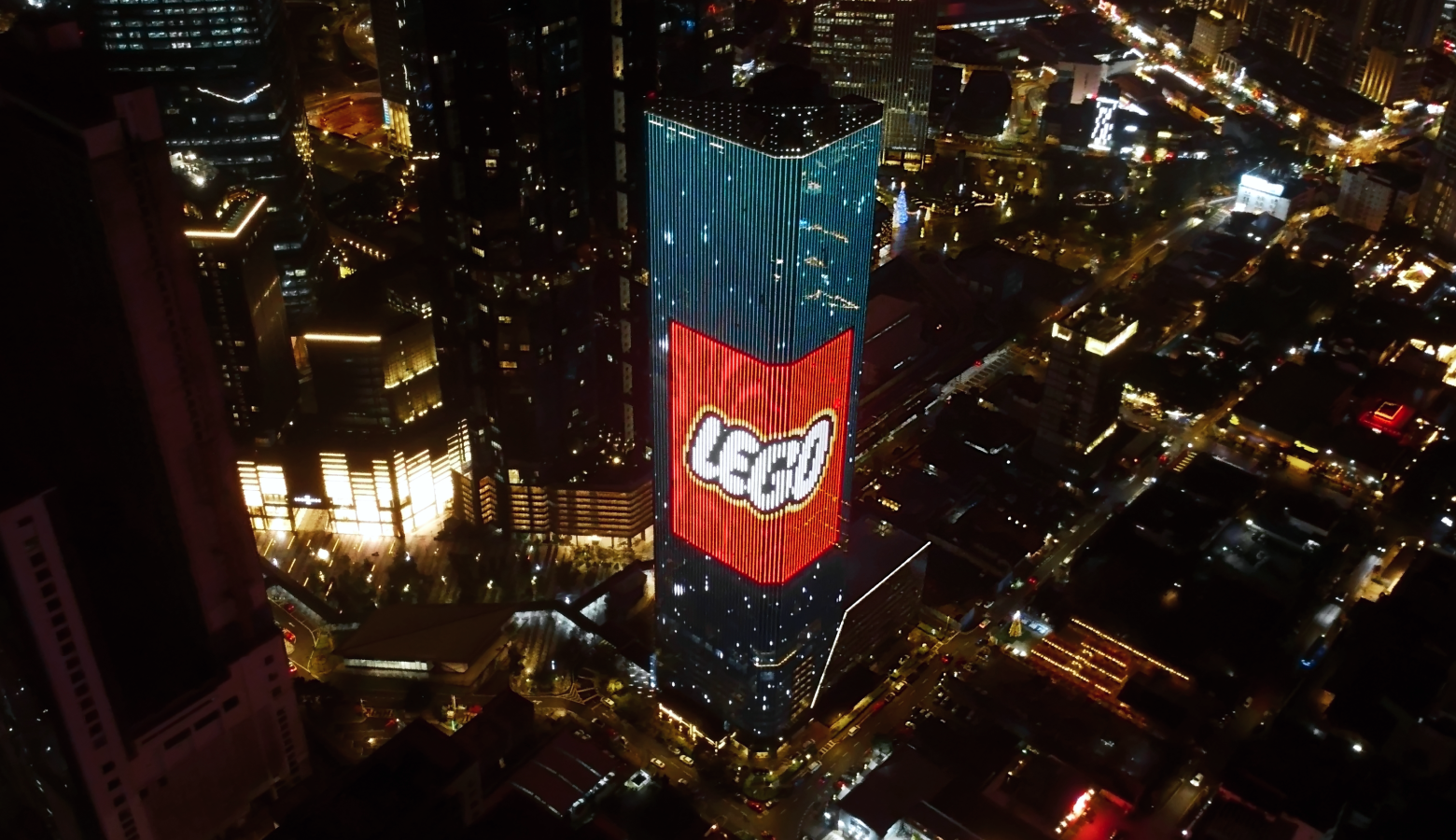
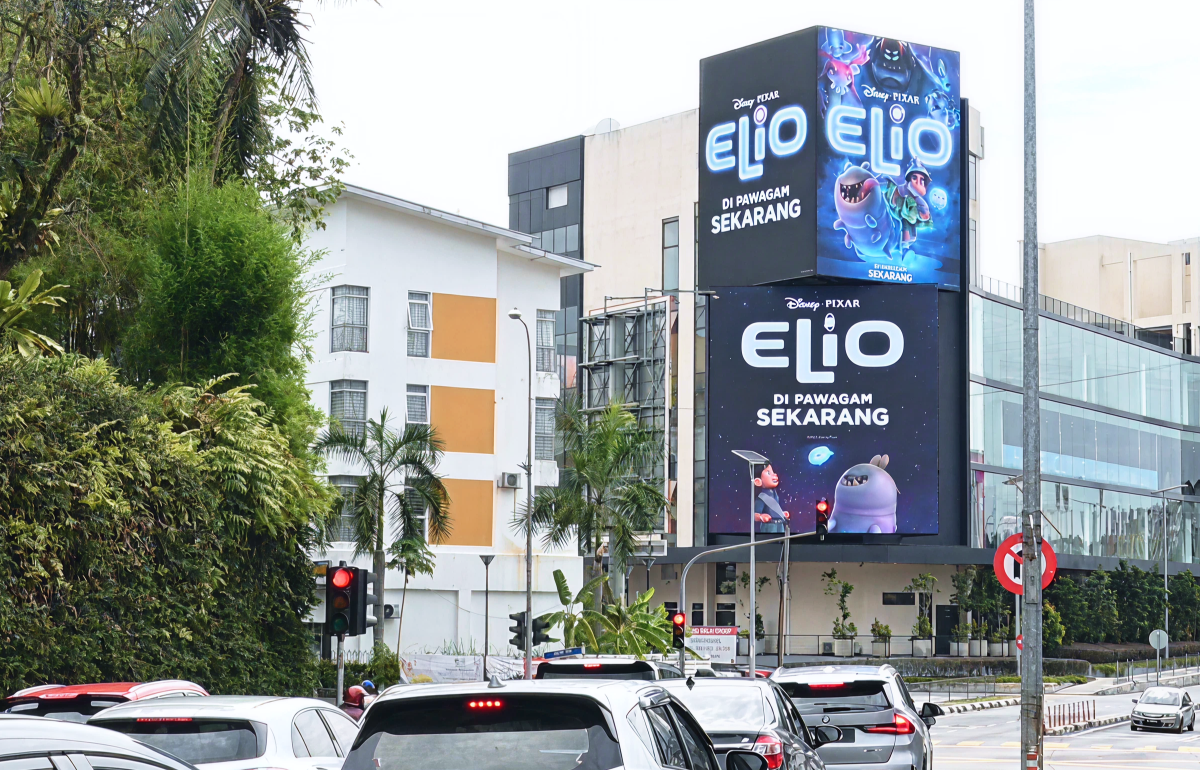
Malaysia is widely regarded as one of Southeast Asia’s more mature digital out-of-home markets. Across Kuala Lumpur and other major cities, older roadside billboards are increasingly being converted into digital screens, accelerating the growth of DOOH inventory throughout the country.
Rather than relying primarily on entirely new construction, operators have largely expanded by upgrading existing licensed assets; a strategy that has allowed digital inventory to scale relatively quickly over the past several years.
According to Low, this process has dramatically increased the number of digital screens within the networks of major media owners, particularly across high-traffic urban corridors and transit environments.
The market, however, remains fragmented outside major metropolitan areas, where many independently owned digital screens are still disconnected from broader programmatic infrastructure.
Programmatic and Dynamic Creative
Programmatic DOOH remains an emerging but high-potential segment of the Malaysian market.
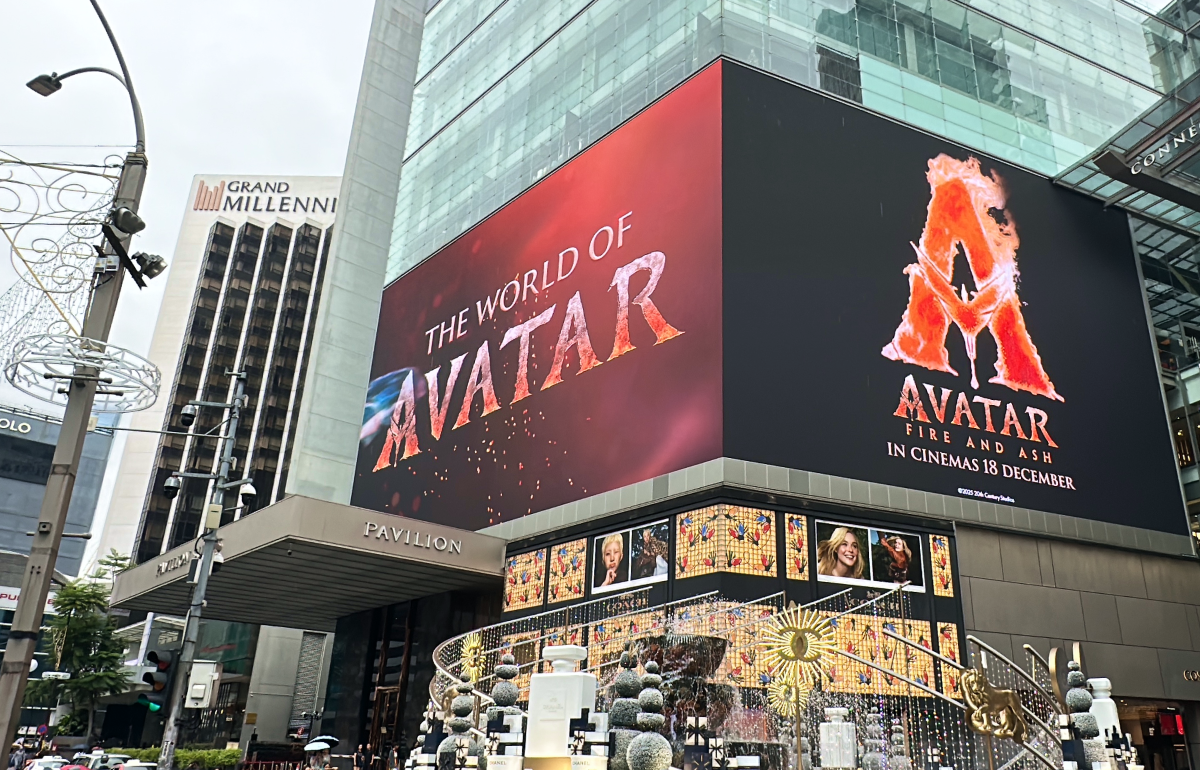
While current spend levels remain relatively limited, agencies and media owners are increasingly exploring automated buying capabilities and dynamic creative formats as advertiser familiarity grows.
Low sees education as one of the key factors that will determine the pace of adoption. “There’s significant potential for growth in programmatic and DCO,” he says. “The challenge right now is helping agencies and clients fully understand the flexibility, technology, and best use cases.”
Dynamic Creative Optimization (DCO), in particular, is expected to become increasingly important as brands look to deliver more contextually relevant messaging based on factors such as time, weather, and audience movement.
Market Structure and Media Ownership
Unlike many global OOH markets, Malaysia is not dominated by international operators such as JCDecaux or Clear Channel. Instead, the market is led primarily by strong local media owners including Big Tree, Sunijaya, and Laguna.
According to Low, the strength of local ownership has helped shape a market that is highly responsive to local regulations, licensing processes, and cultural nuances. “The advantage local players have is their ability to work closely with authorities and navigate approvals using local language and relationships,” he explains.
The market remains relatively consolidated within Kuala Lumpur’s central business districts, while suburban and regional environments are significantly more fragmented.
Key Advertising Sectors
Malaysia’s advertiser base is broad, though several categories continue to dominate OOH investment.
Telecommunications and Mobile Devices
Telecommunications brands and smartphone manufacturers remain among the market’s largest advertisers, using large-format roadside and transit placements to drive rapid mass visibility. Brands such as Apple, Huawei, and major telecom providers continue to invest heavily in the medium.
FMCG and Pharmaceuticals
Consumer goods and healthcare brands also maintain strong presence across both static and digital environments.
Technology and Chinese Brands
Chinese technology and consumer brands have become increasingly visible across Malaysia’s OOH landscape, contributing to rising demand for premium inventory.
Mobility and Financial Platforms
E-hailing services, investment apps, and digital-first brands continue to allocate substantial budgets to OOH because of its ability to generate immediate scale and high-frequency urban visibility.
What’s Shaping the Market
One of the most significant developments influencing the Malaysian OOH landscape is the Johor-Singapore Special Economic Zone and the accompanying RTS rail link project, which is expected to dramatically increase cross-border mobility between Singapore and Johor.
The project is anticipated to drive foreign direct investment, reshape commuter flows, and create new audience movement patterns across the region.
According to Low, the development could fundamentally change how advertisers think about regional targeting. “The line between Singapore and southern Malaysia will become increasingly blurred from an audience perspective,” he explains, pointing to growing cross-border commuting and economic integration.
Another major trend is the rise of “eye-level media” environments such as MRT screens, residential building networks, and in-building displays near condominium lifts. These formats are becoming increasingly important because they support both engagement and conversion-oriented behavior in addition to awareness.
Measurement and Planning Considerations
Measurement remains one of the biggest challenges facing the Malaysian OOH industry. While several initiatives are underway, the market still lacks a unified national framework for evaluating effectiveness.
Industry stakeholders are currently working through compliance, privacy, and data-sharing considerations, particularly regarding Malaysia’s PDPA regulations and the use of telco data.
Low believes any long-term solution will need to reflect local market realities rather than relying entirely on imported global models. “Measurement needs to be market-specific,” he says. “Technology adoption, regulations, and audience behavior vary significantly from country to country.”
For international advertisers, local expertise remains essential. According to Low, the strongest campaigns typically come from combining deep local market understanding with a broader global planning perspective.
Outlook
Over the next several years, Malaysia’s OOH market is expected to become increasingly digitized, data-enabled, and transit-oriented.
As operators continue expanding DOOH inventory, transit environments mature, and programmatic capabilities improve, advertisers are likely to place greater emphasis on dynamic messaging, contextual relevance, and cross-channel measurement.
At the same time, Malaysia’s cultural diversity, strong urban mobility, and locally driven media ecosystem will continue to shape how campaigns are planned and executed.
Low believes the market still has significant room for evolution. “Malaysia is no longer just a billboard market,” he says. “Brands increasingly want environments that can drive both visibility and interaction.”
Final Word
Malaysia’s out-of-home market reflects a broader transformation taking place across Southeast Asia: a shift toward digitally enabled, audience-focused public media environments that combine scale with flexibility.
For brands, success lies in understanding both the medium's technological evolution and the local nuances that shape audience behavior across the country.
If you’re planning to launch or expand campaigns in Malaysia, the team at billups provides on-the-ground expertise across strategy, planning, and execution to help brands navigate the country’s evolving OOH landscape and maximize campaign impact.